SEE International
Second Sight
The challenge
A blind mother, the husband who became her eyes, and the surgery that gave her back the world.
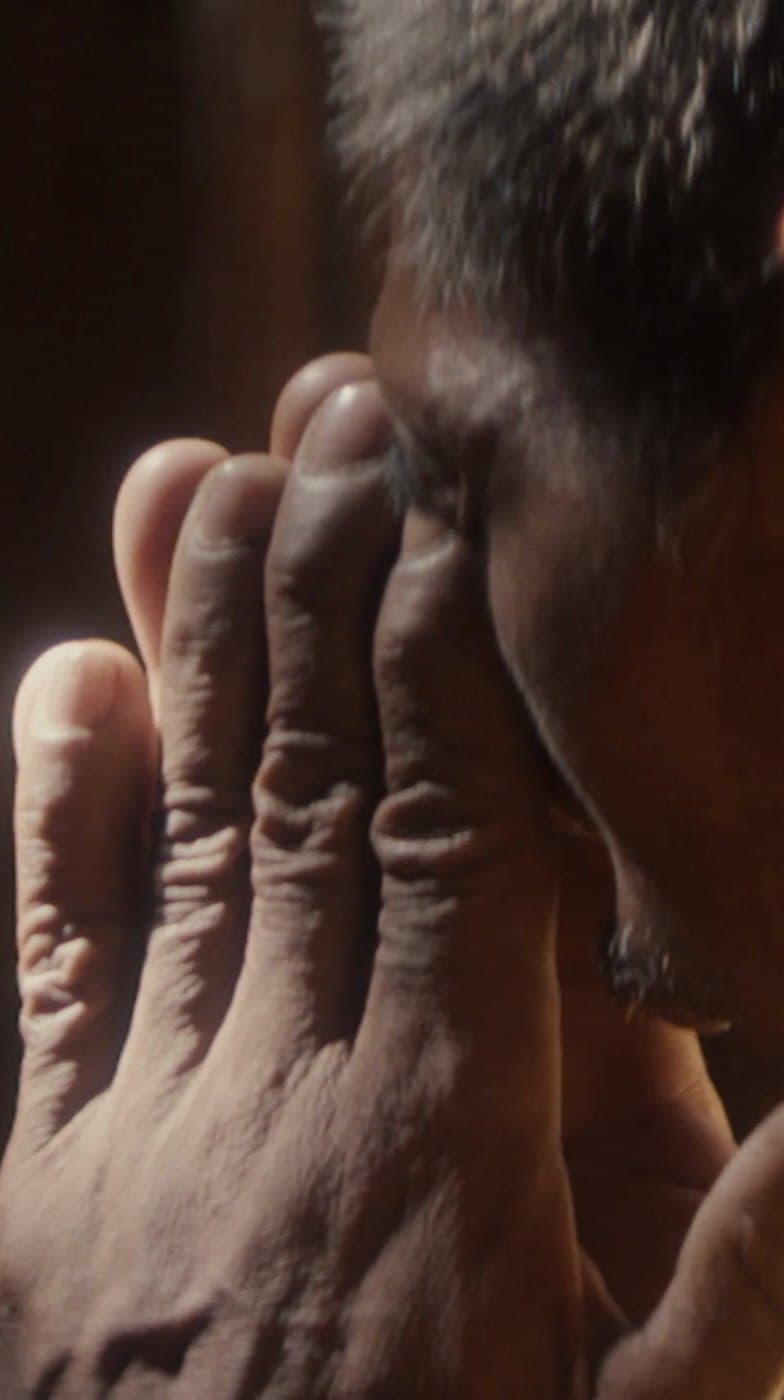
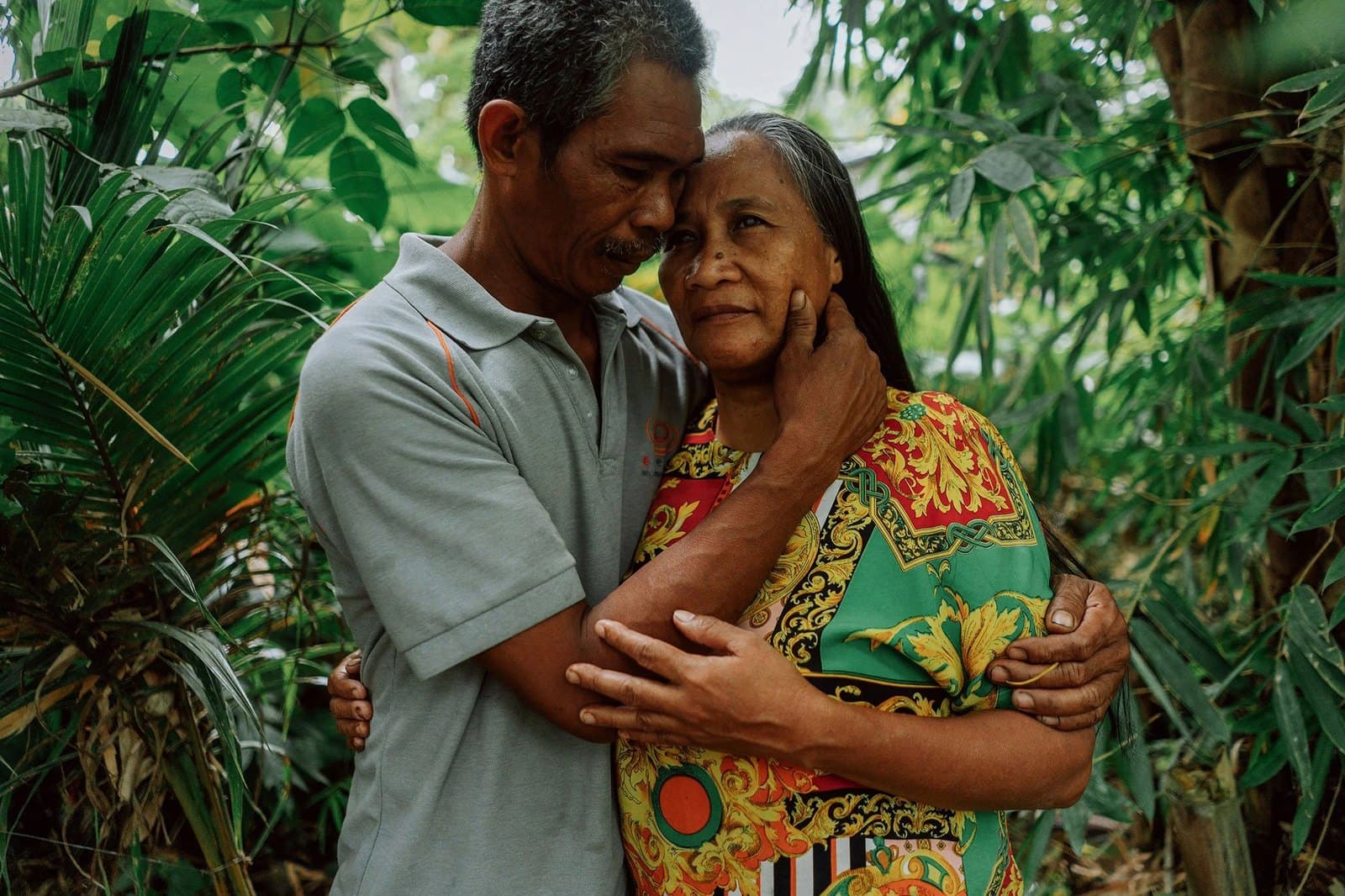
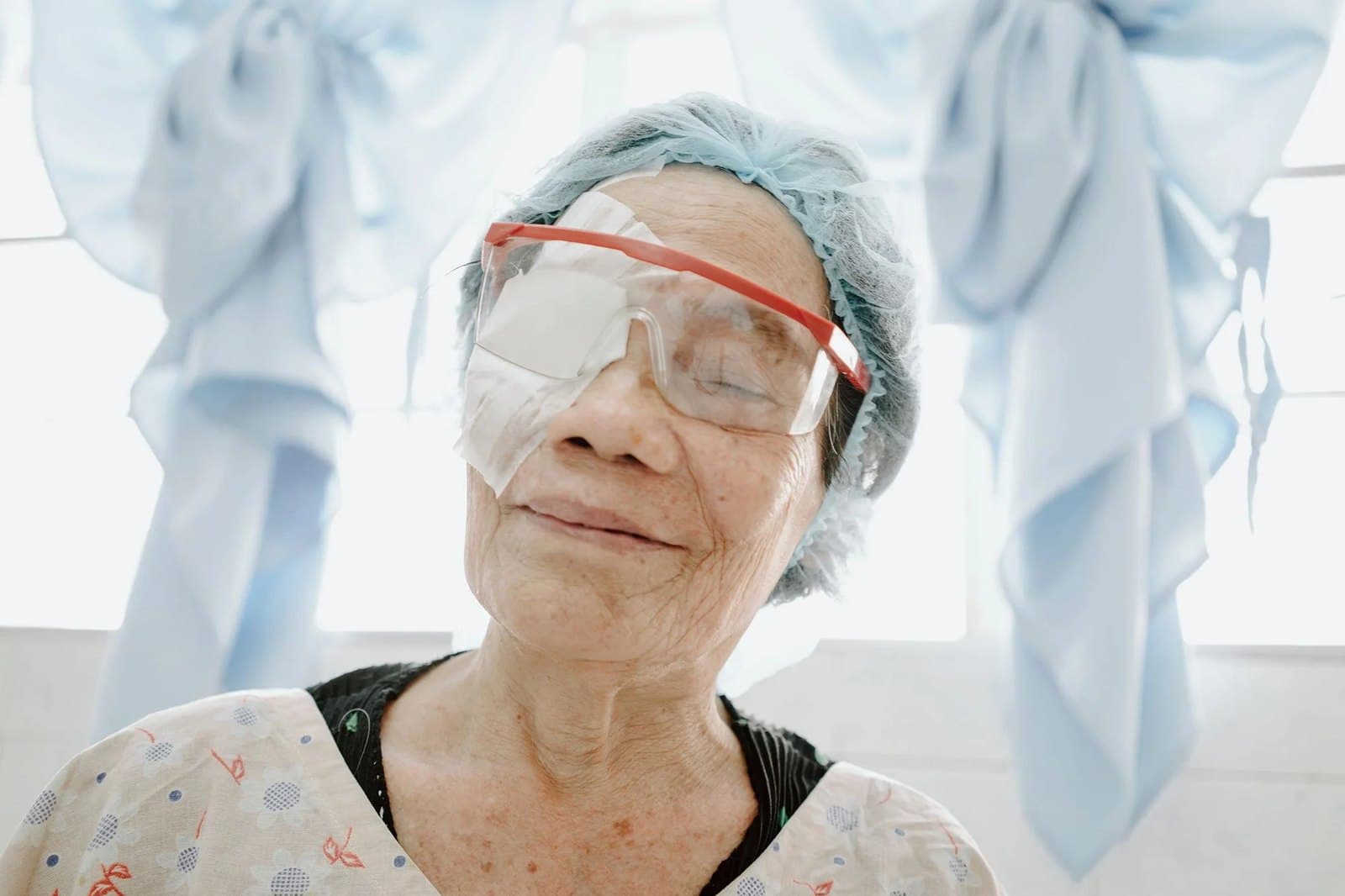
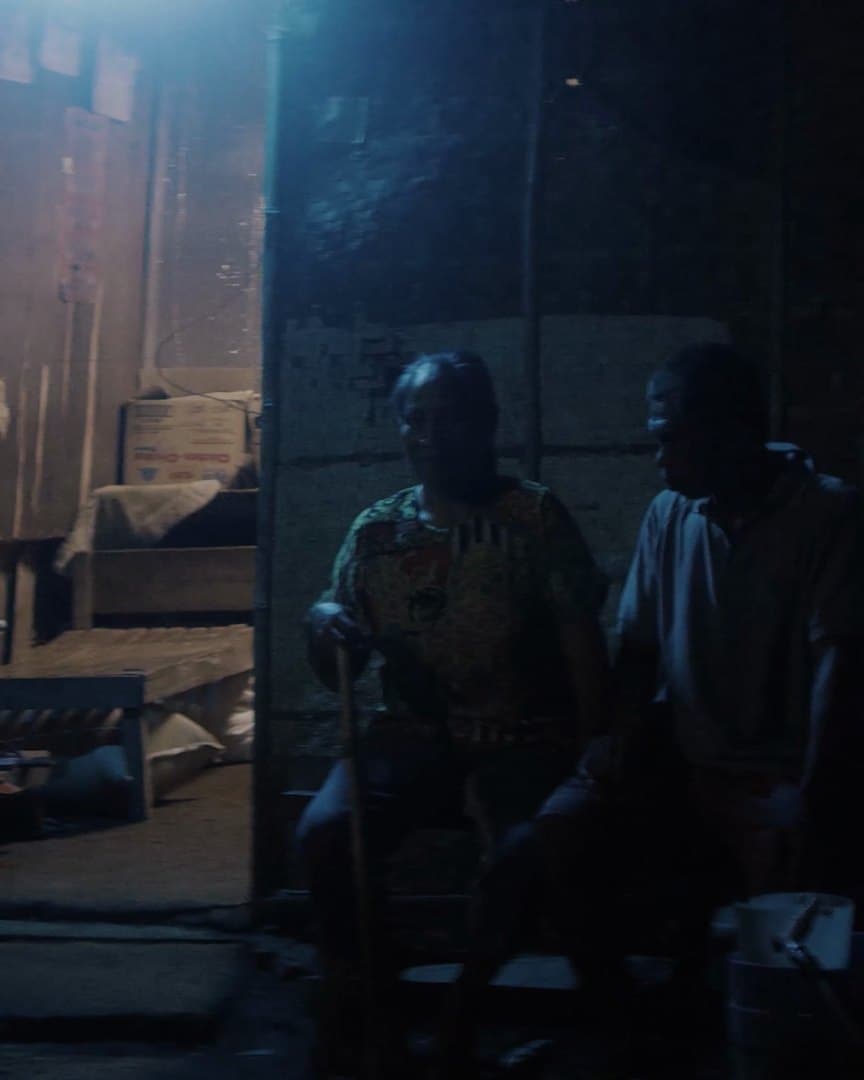
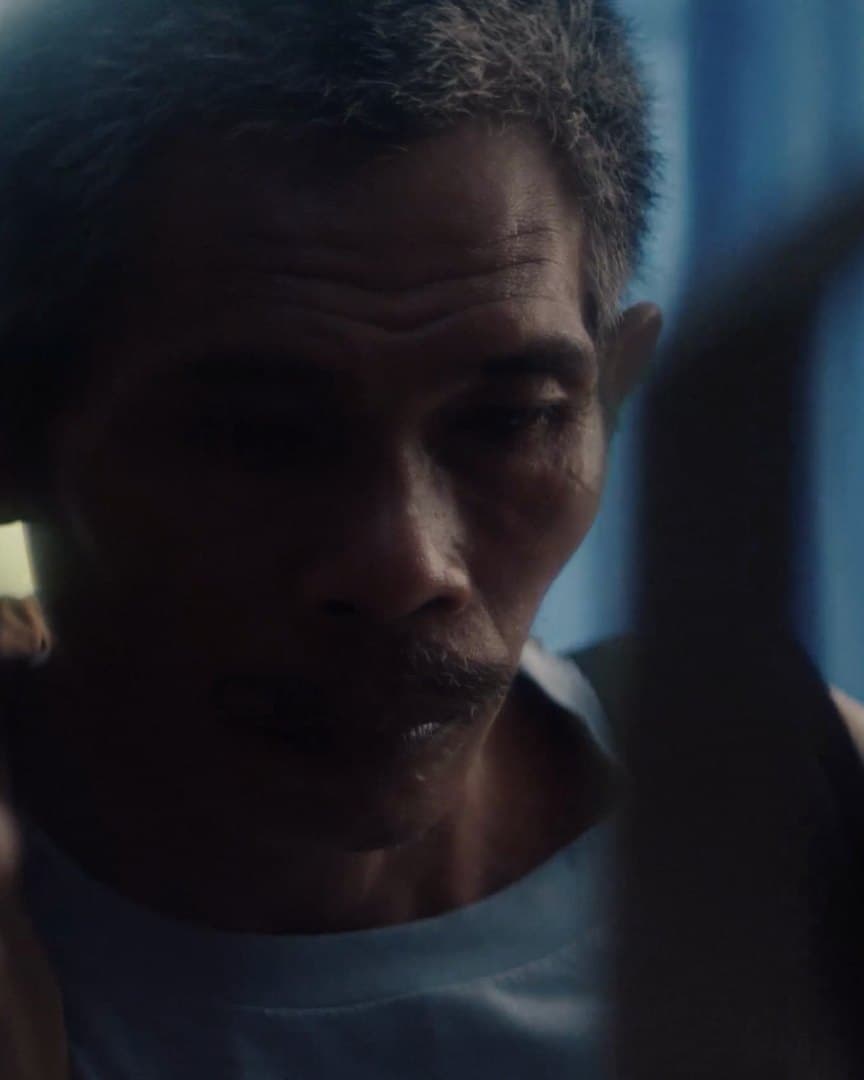
Joanaly Laniohan had been blind from cataracts for two years. Her husband Virgilio had become her eyes. Second Sight follows them from the rice fields of Negros Occidental, in the Philippines, to a free surgical clinic run by SEE International.
SEE International brings free cataract surgery to people who could never pay for it. It needed more than awareness: a film that would make the loss of sight felt, and give people a reason to act.
- Client
- SEE International
- Scope
- Creative · Packaging & Sales · Production · Post · Photography · Web
- Delivered
- Documentary short, 28 minCutdowns, :60, :30 and :15Landing page with gated interviewsPaid social campaignProduction photography
The strategy
We cast it like a feature film.
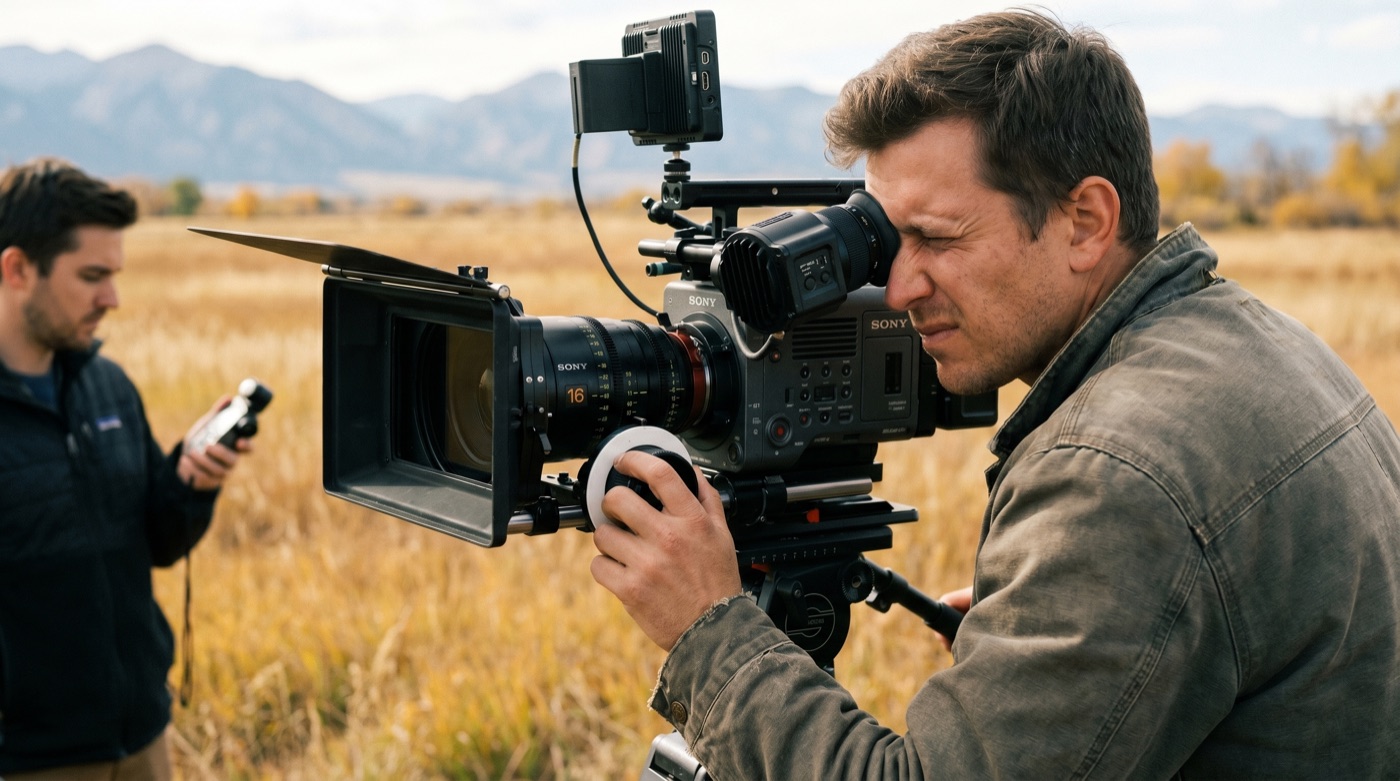
We wrote the story’s arc first, then went looking for the family who could carry it. The search took two scouting trips and more than 60 interviews. The film was funded by a 2017 Musicbed Film Initiative grant.
- 01
Archetype
We gave our local producers a character archetype and the questions that would reveal it.
- 02
Scouts
Two scouting trips with Fixer Ink and more than 60 families interviewed, every story’s pros and cons on one list.
- 03
Point of view
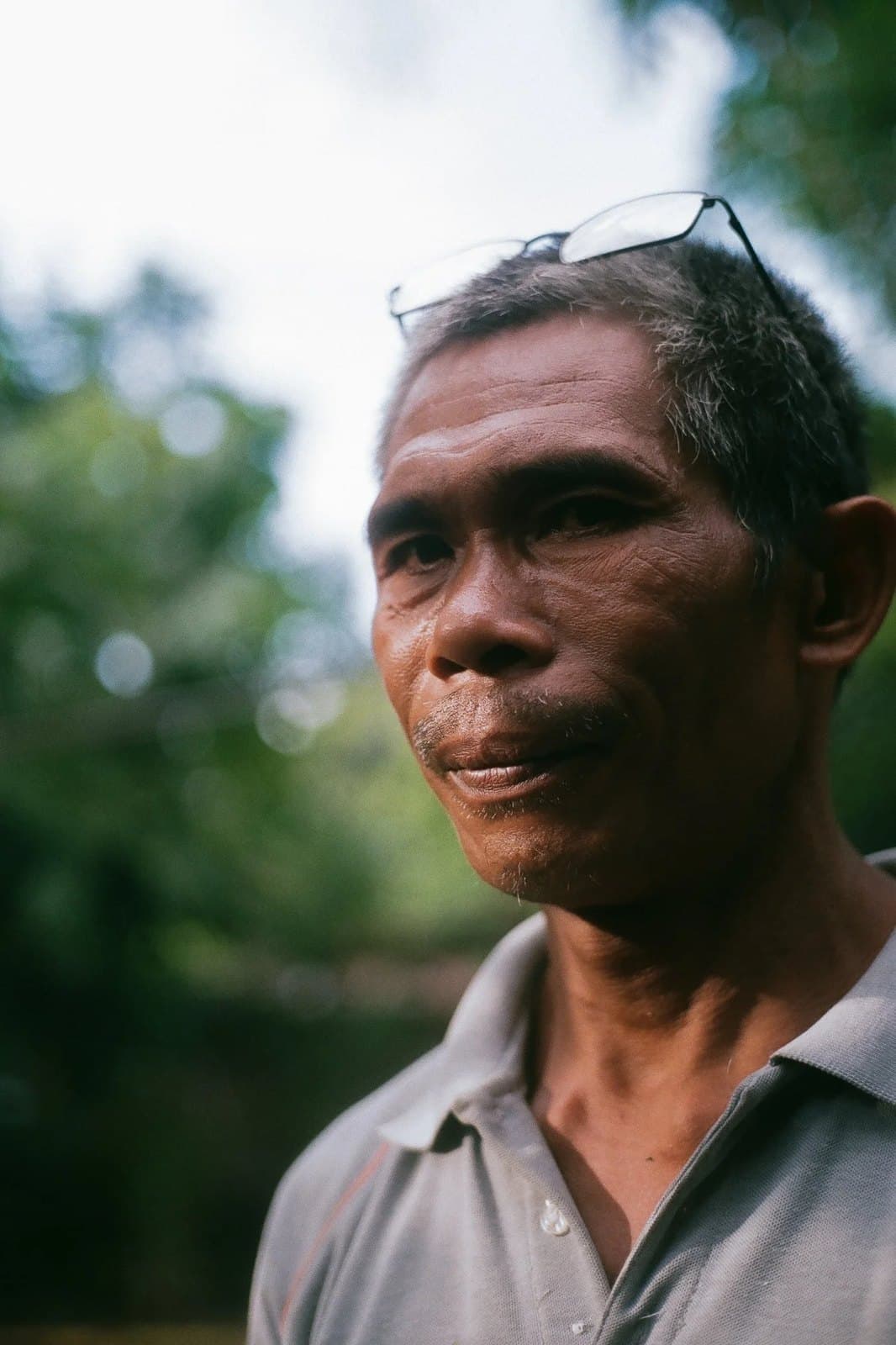
We told it through Virgilio: few people know what losing their sight is like, but most know what it is to care for someone.
What made it hard
We filmed in the rice country of the Philippines, in nine days, through translation.
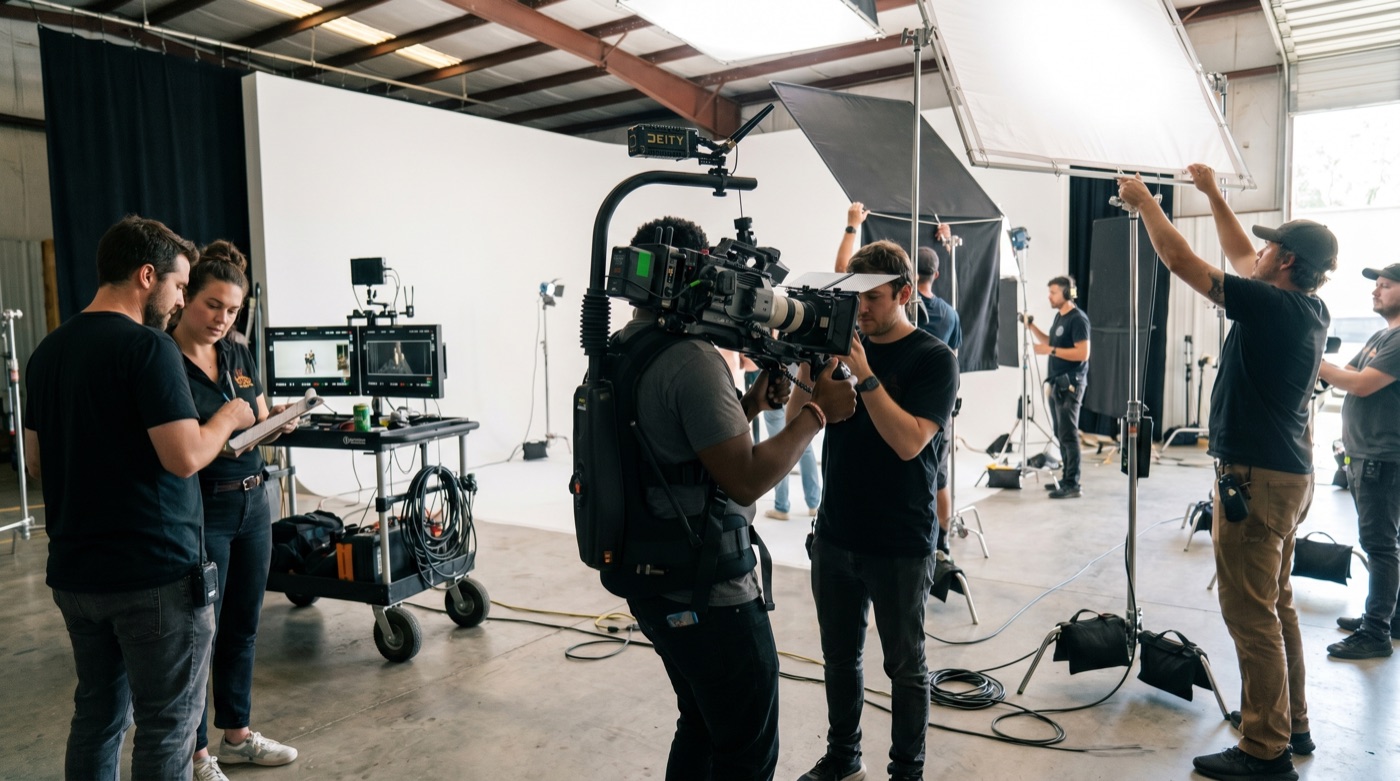
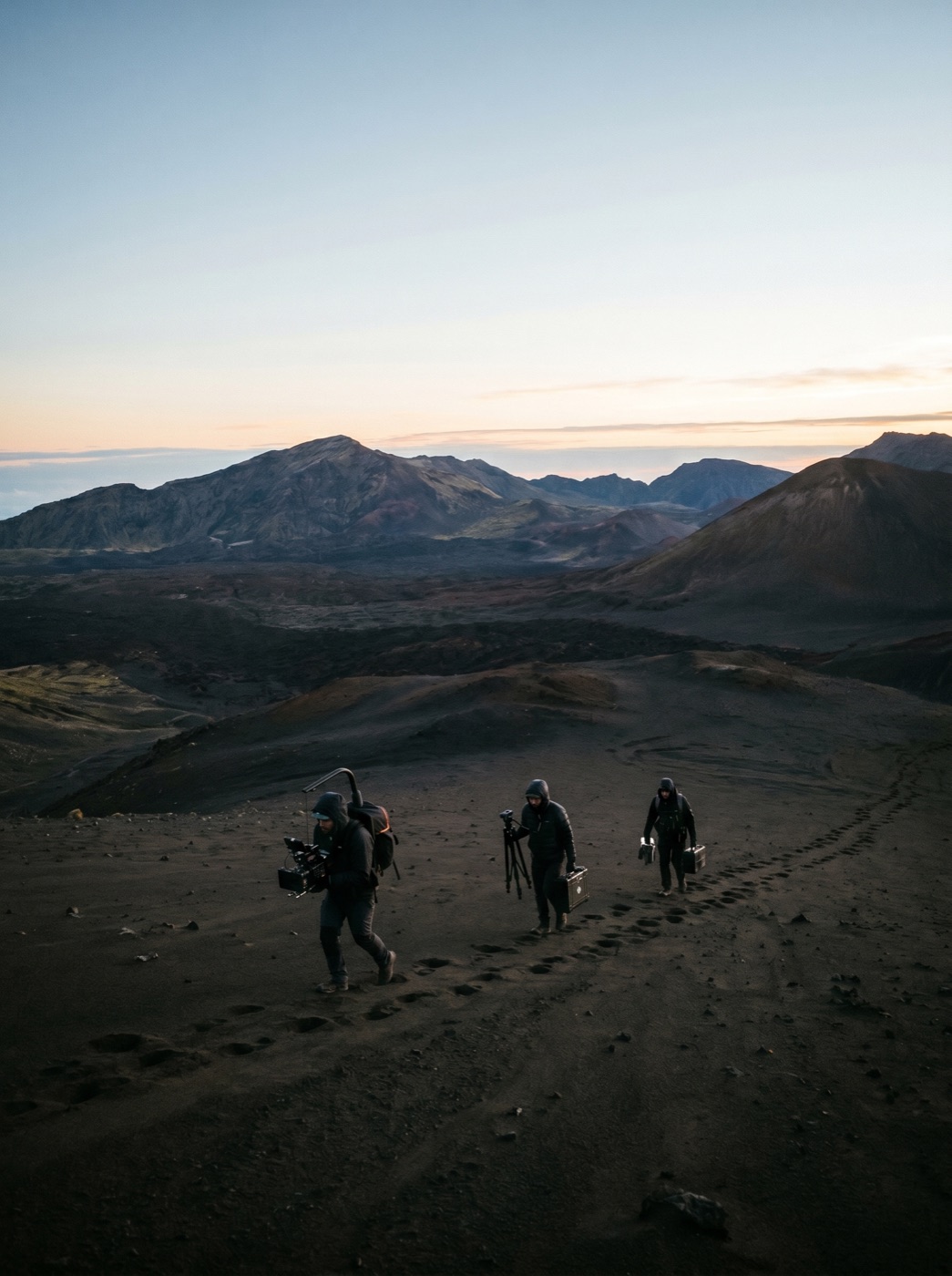
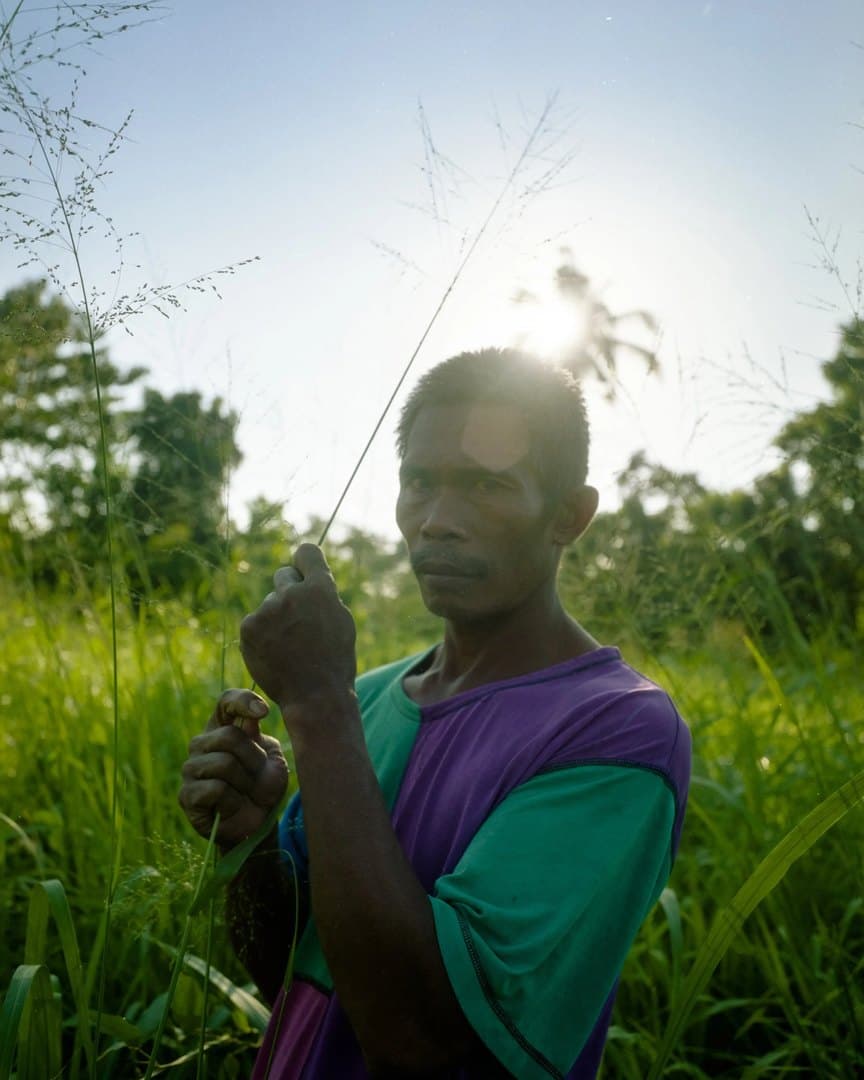
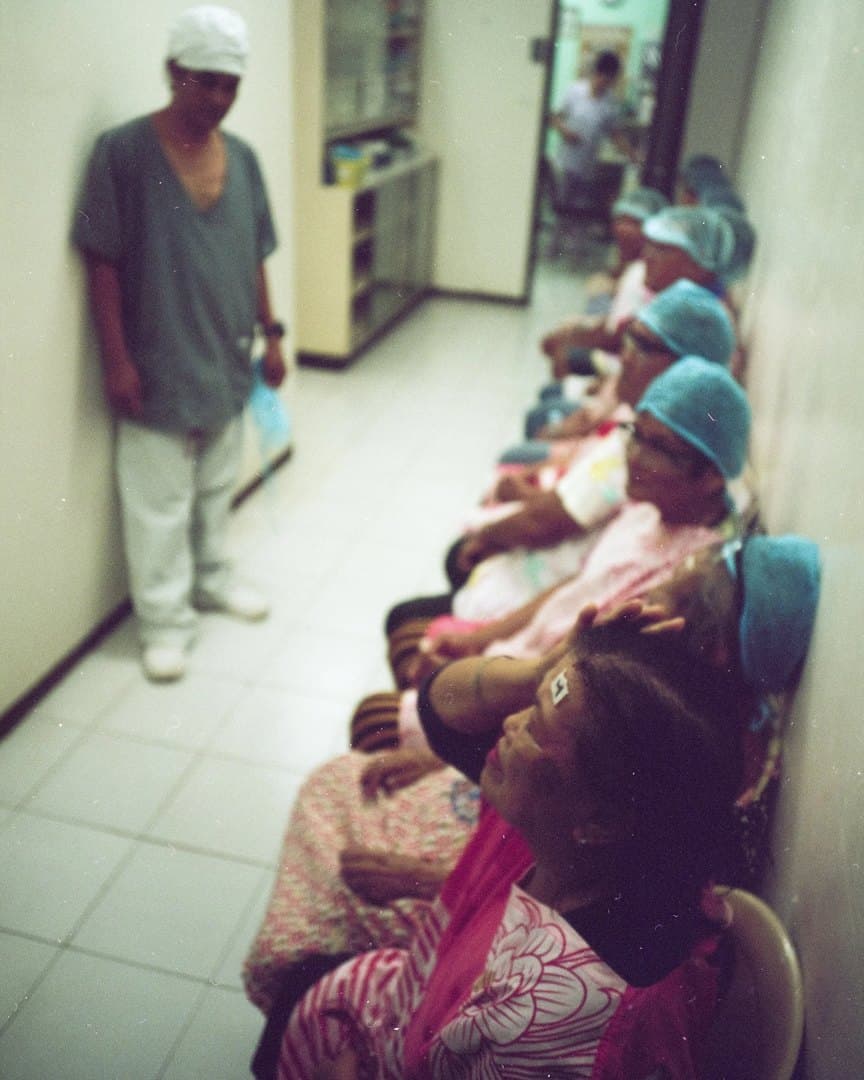
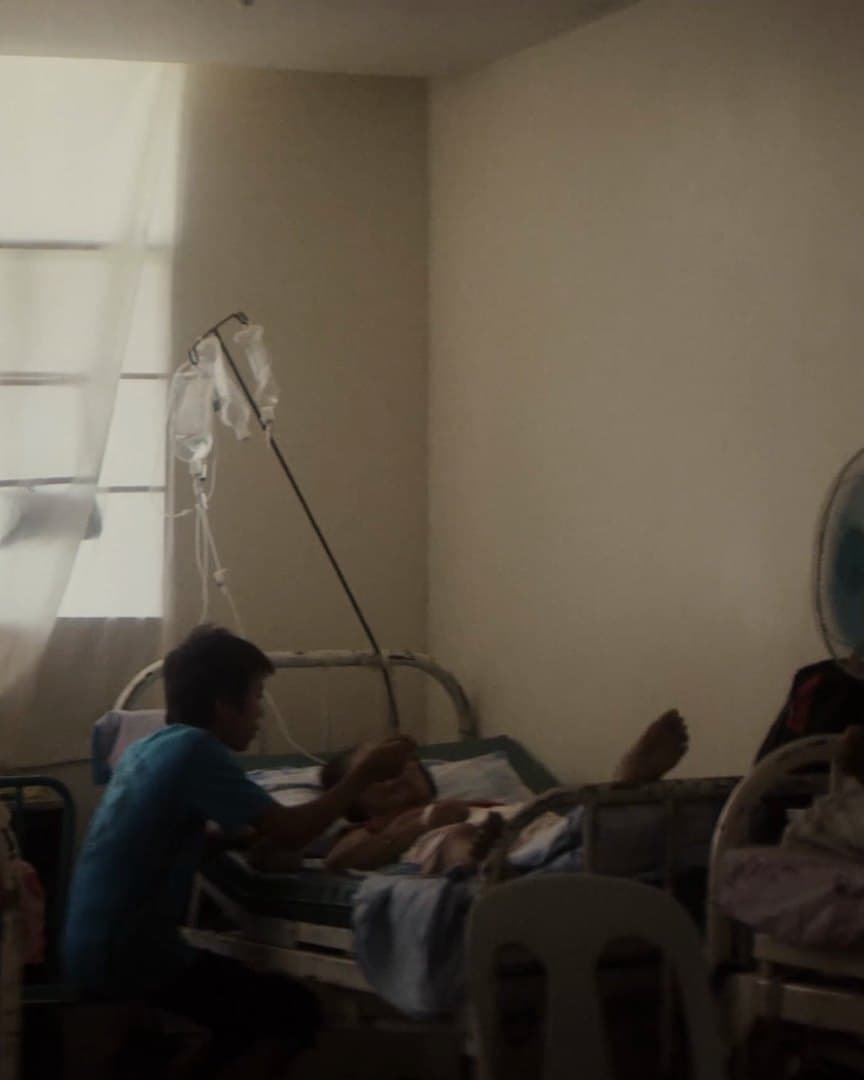
Mailum is a farming village in Negros Occidental. We worked through live translation with Fixer Ink, a Philippine production company. To reach the clinic, Joanaly's family walked her across a river and through the jungle, and we walked with them. Each surgery takes under ten minutes; the clinic did more than 400. There was one chance to film hers.
- 2Scouting trips with our local producers
- 60+Families interviewed before we chose one
- 9Days shooting in Negros Occidental
What we made
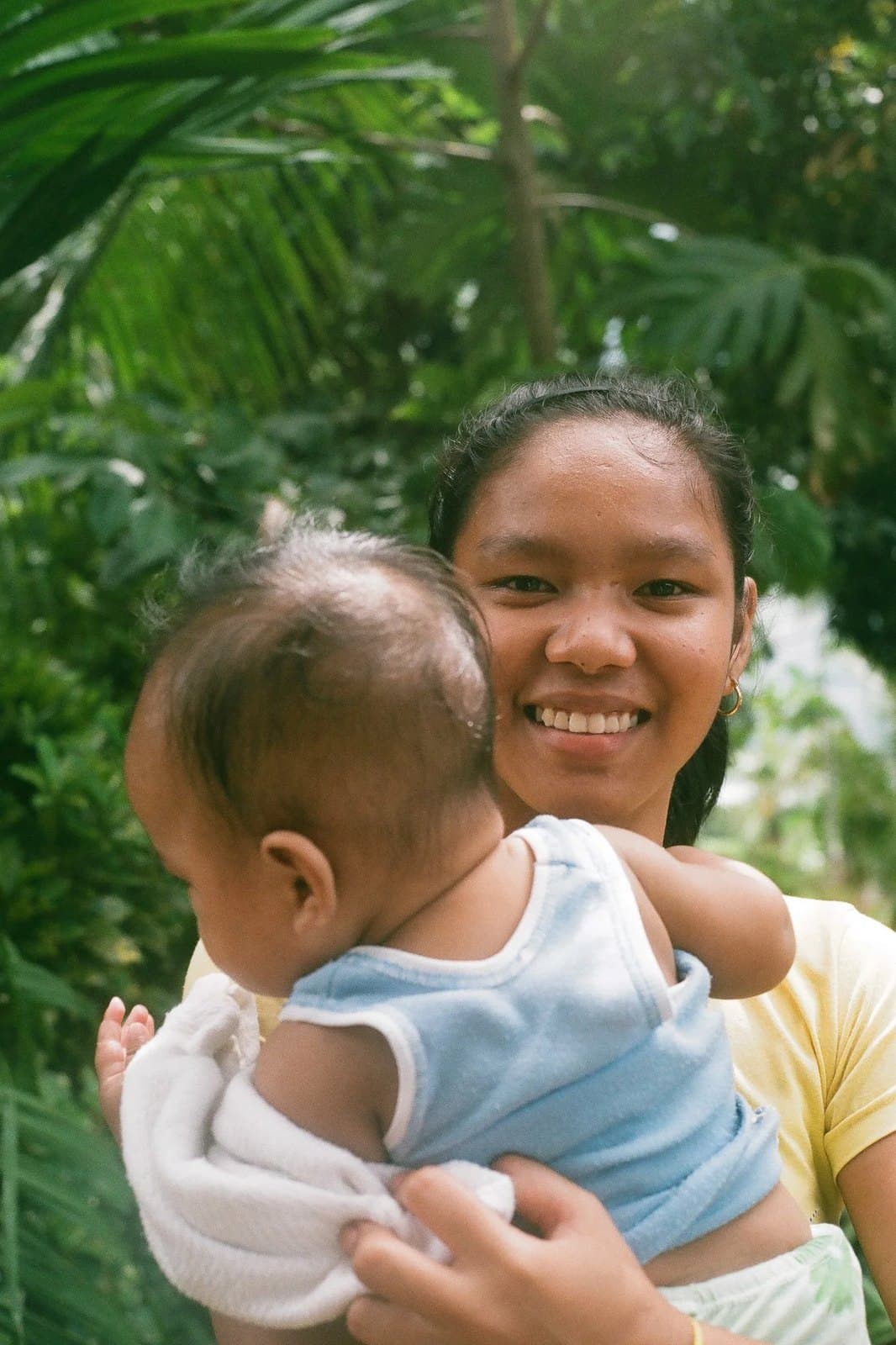
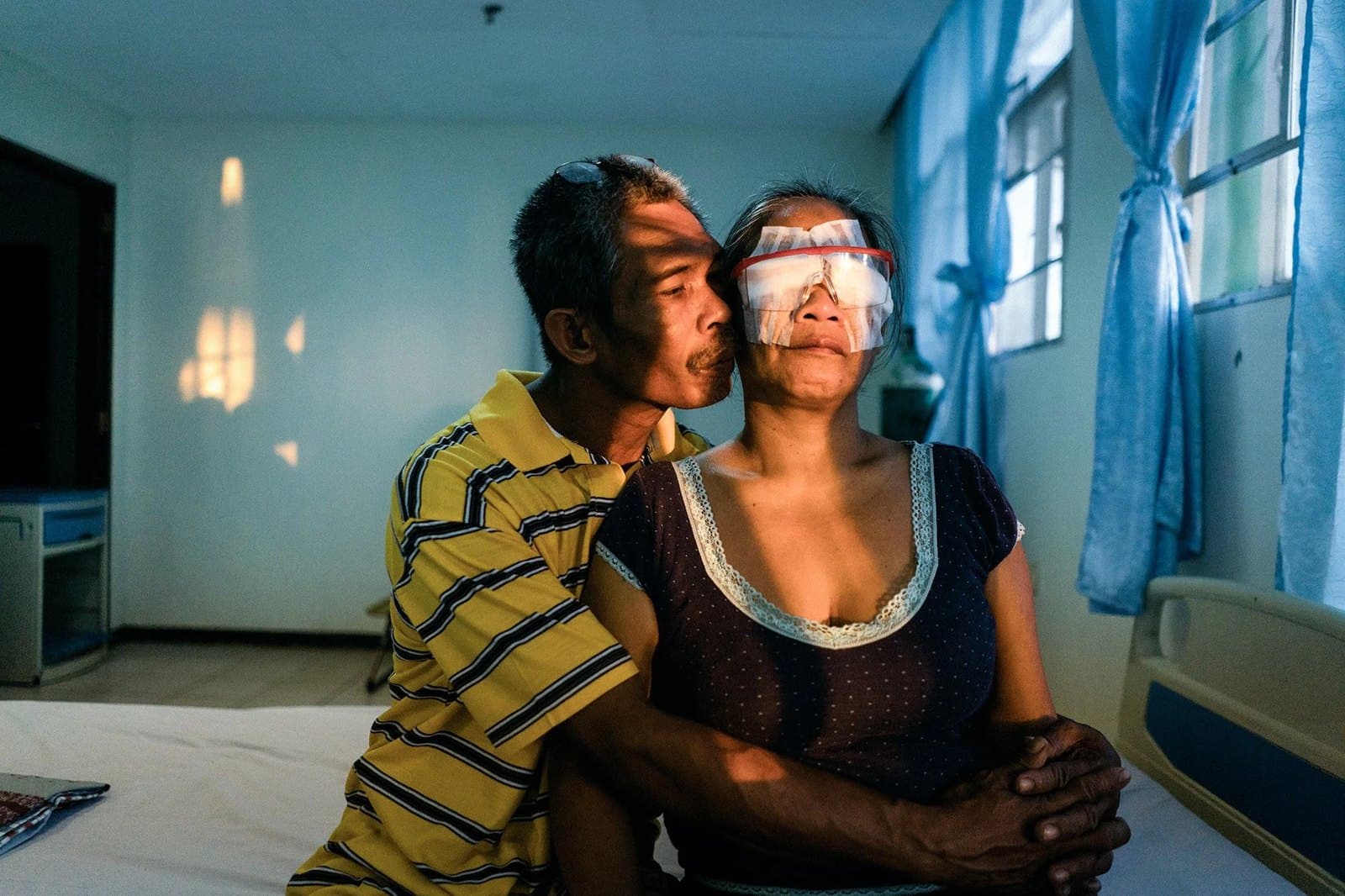
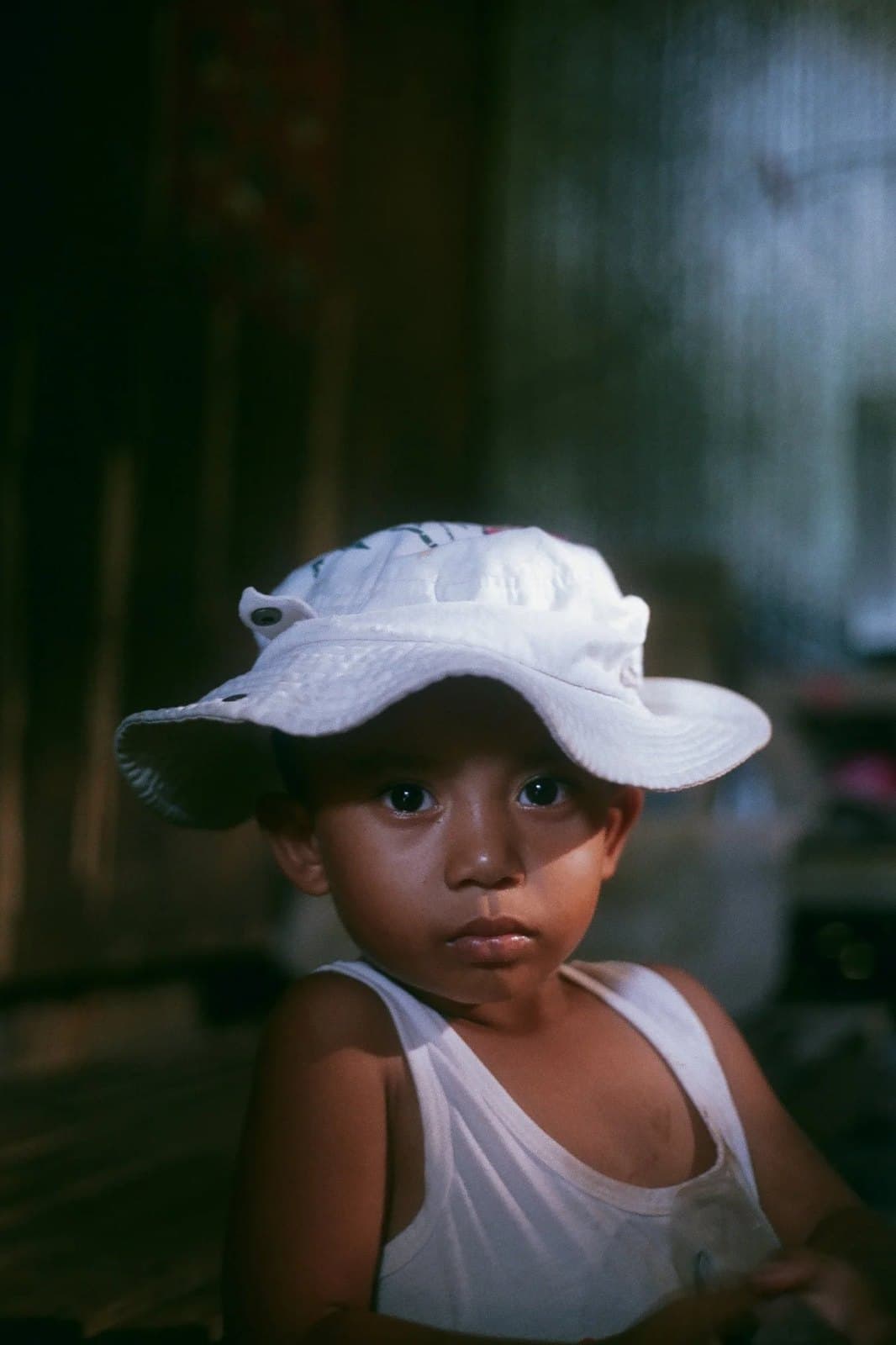
A 28-minute documentary, three cutdowns and a digital campaign with SEE: paid social and a landing page with gated interviews. It played 14 film festivals, from Austin and HollyShorts to Santa Barbara, won two Silver Tellys and Mountainfilm's Norman Vaughan Indomitable Spirit Award, and reached more than a million people.
How we did it
How do you show what it is to lose your sight?
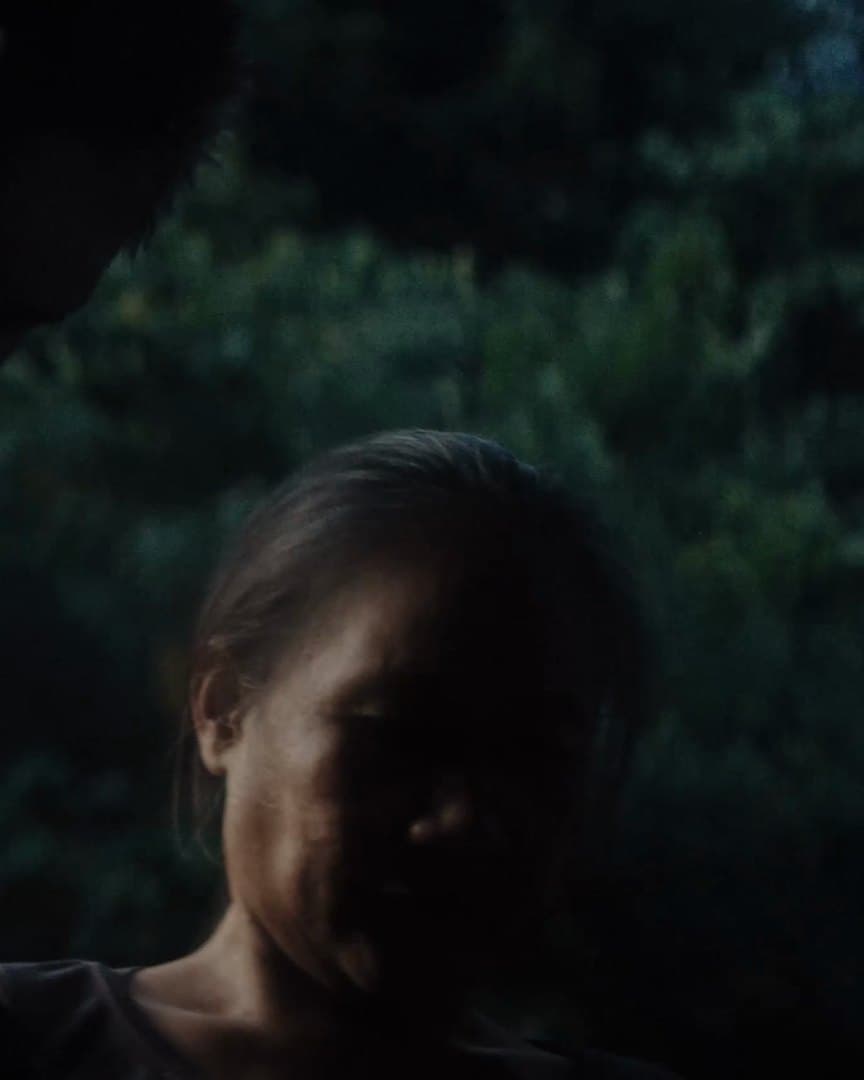
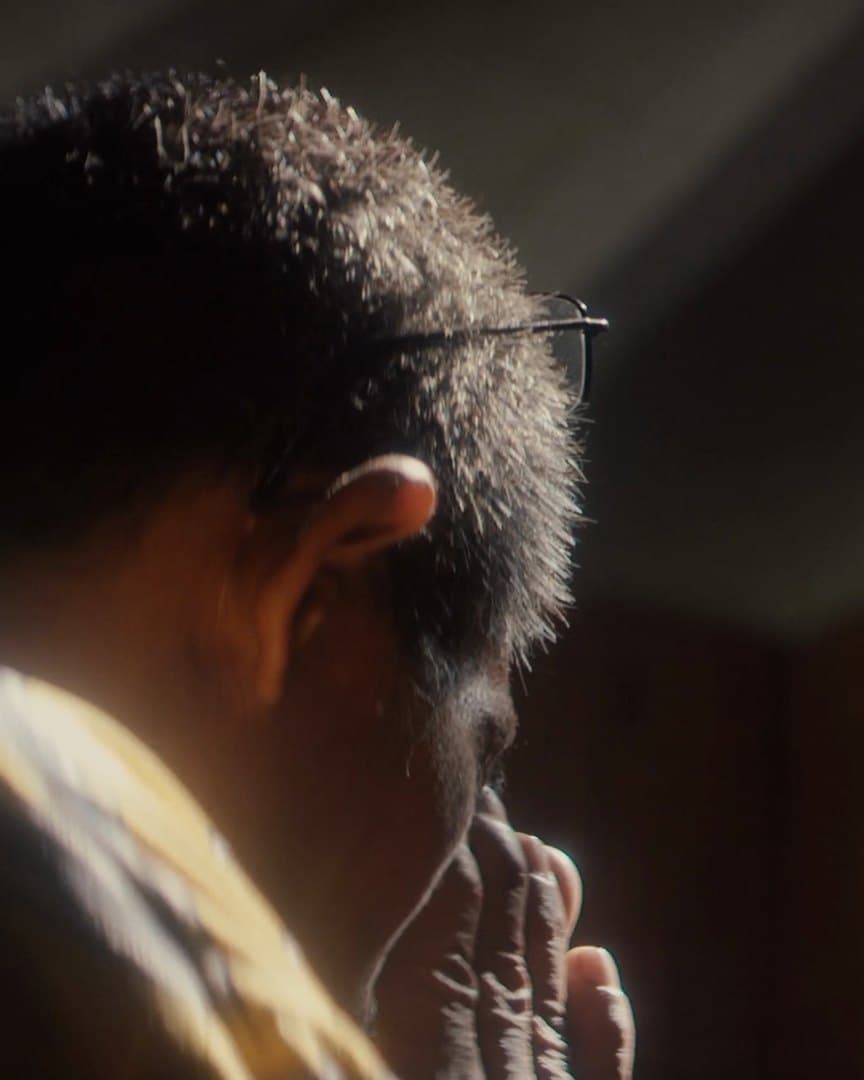
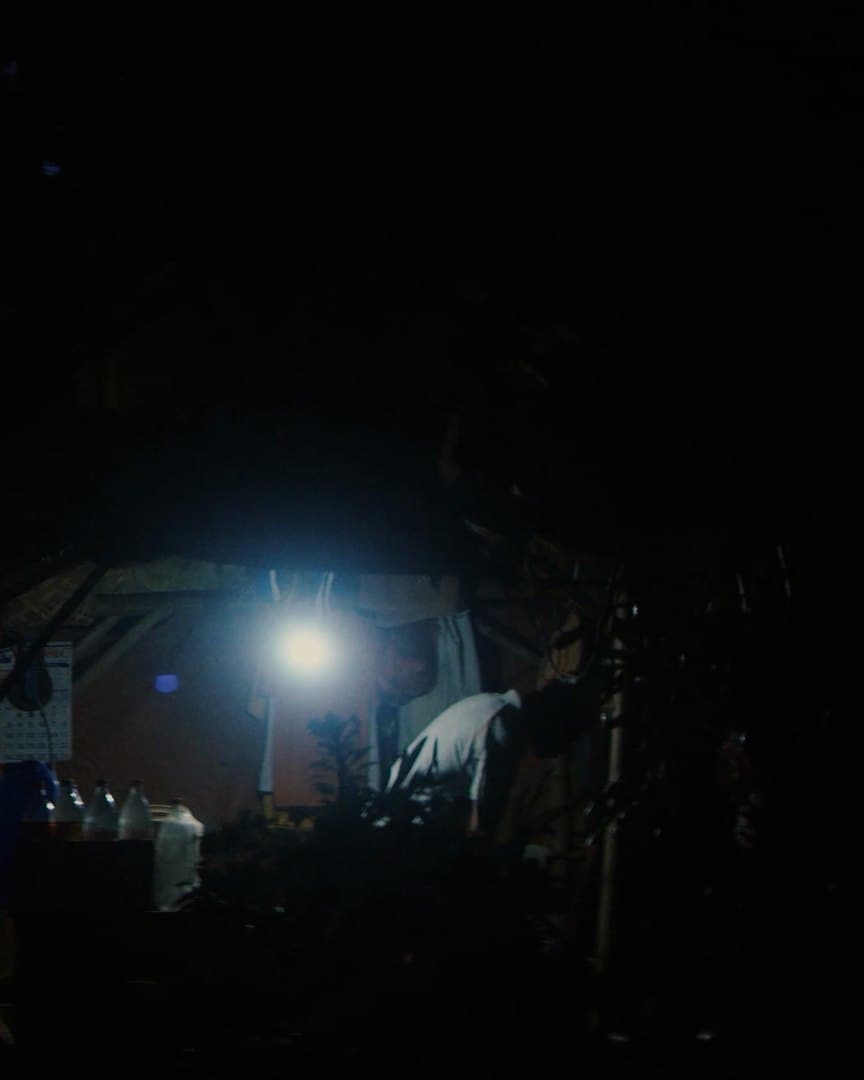
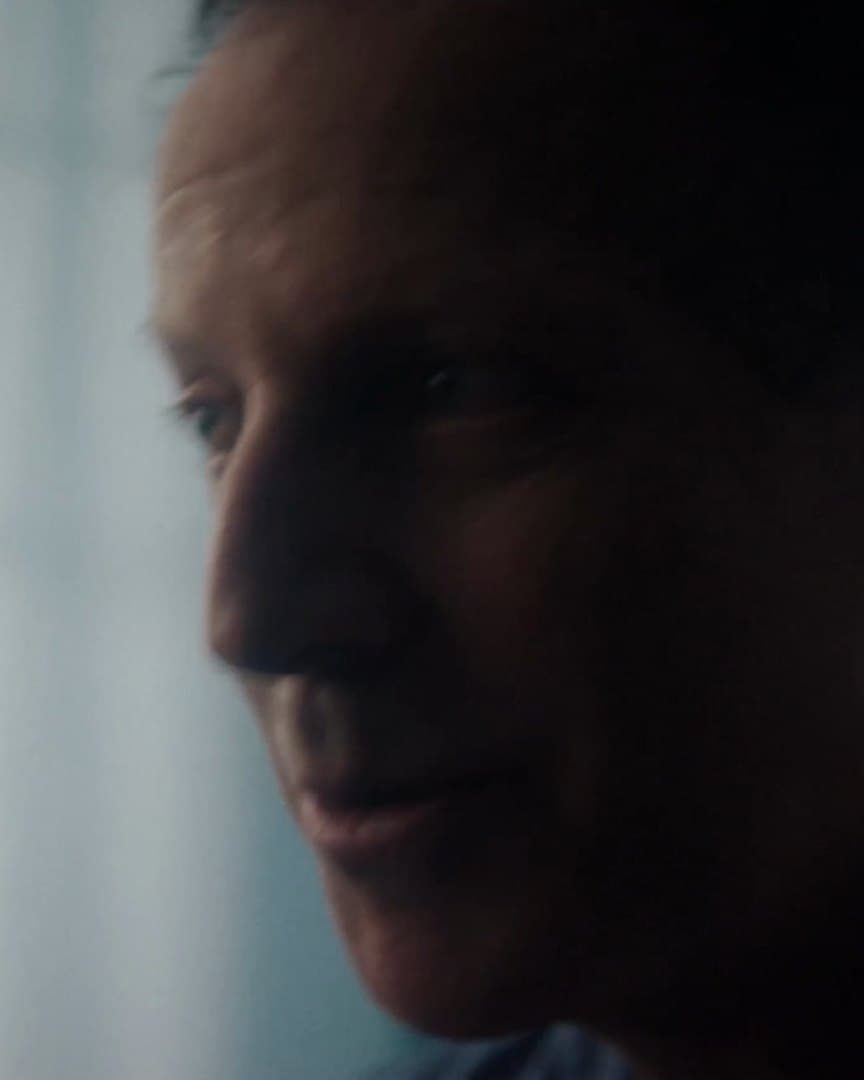
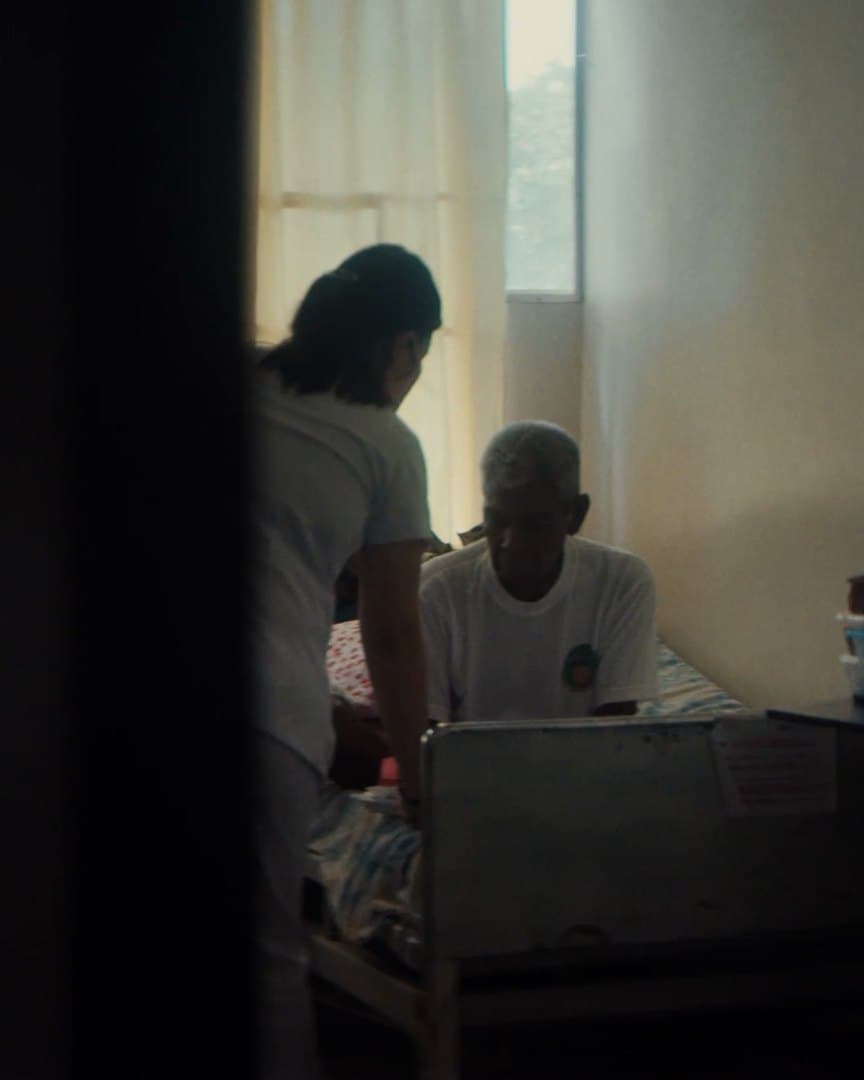
Vintage anamorphic glass, shots framed through doorways and color held back until the final scene put the viewer inside the blur and haze of cataract blindness.
- 7Awards, including two Silver Tellys
- 14Film festivals
- 554Surgeries funded
The series
Film01
Second Sight
Cutdown02
SEE Presents
Cutdown03
Sight Is Freedom
Cutdown04
Quiet Heroes
Key art
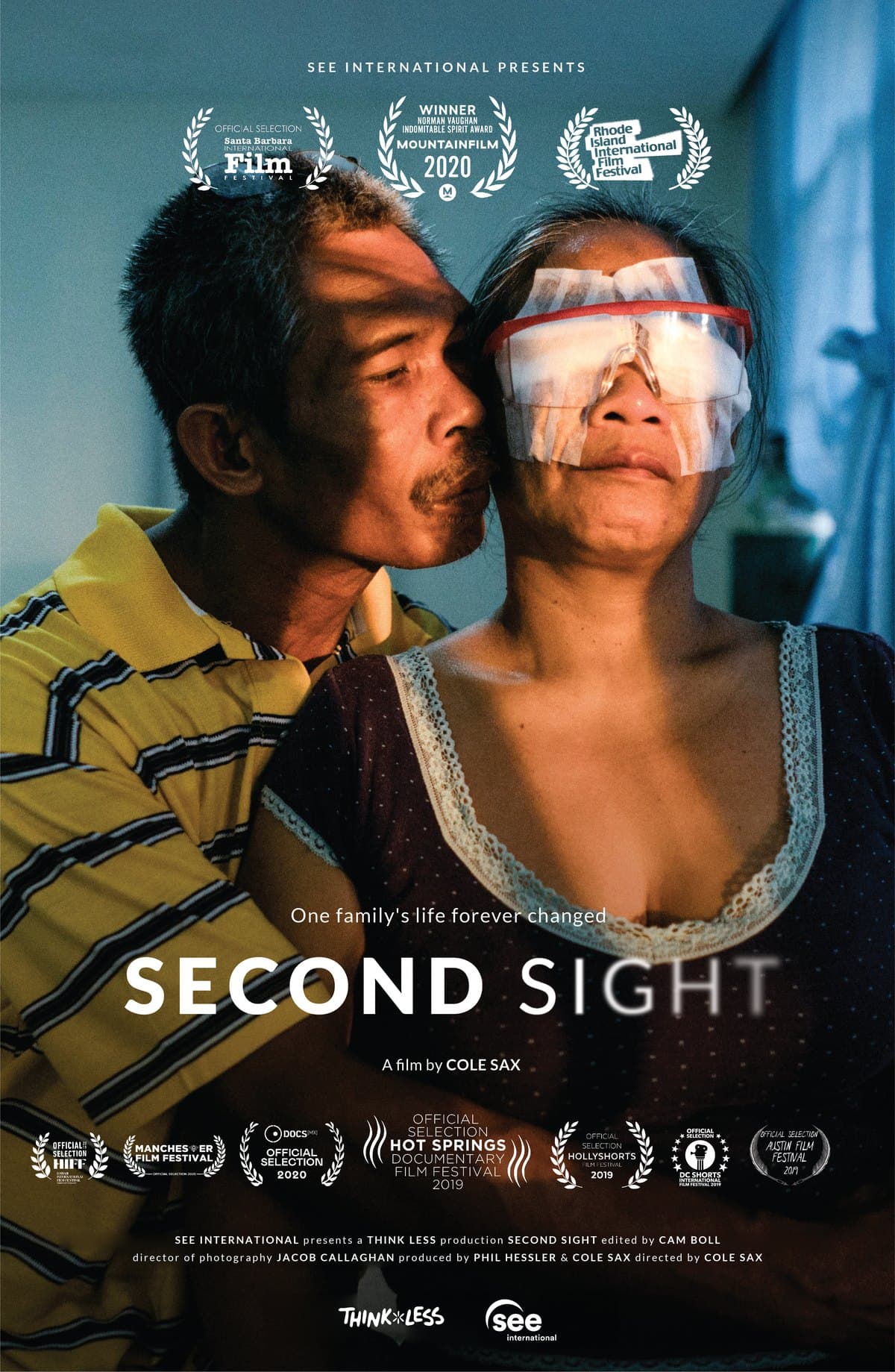
In Negros Occidental
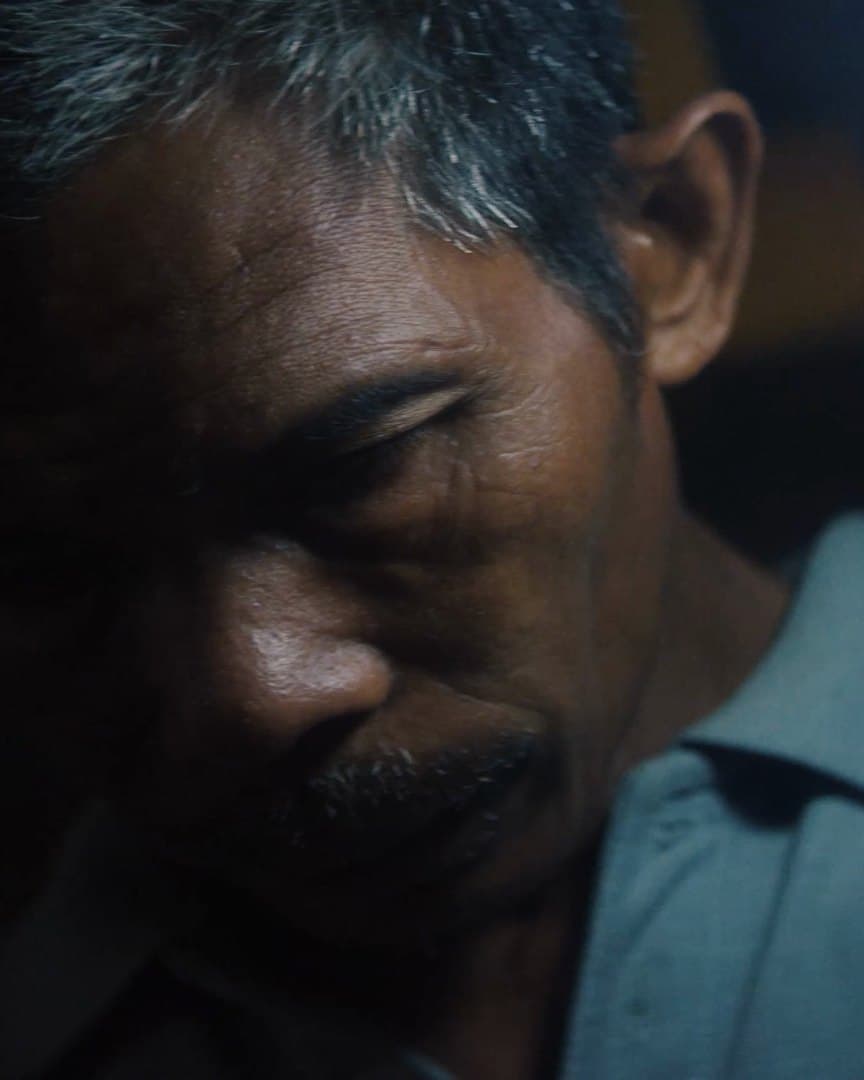
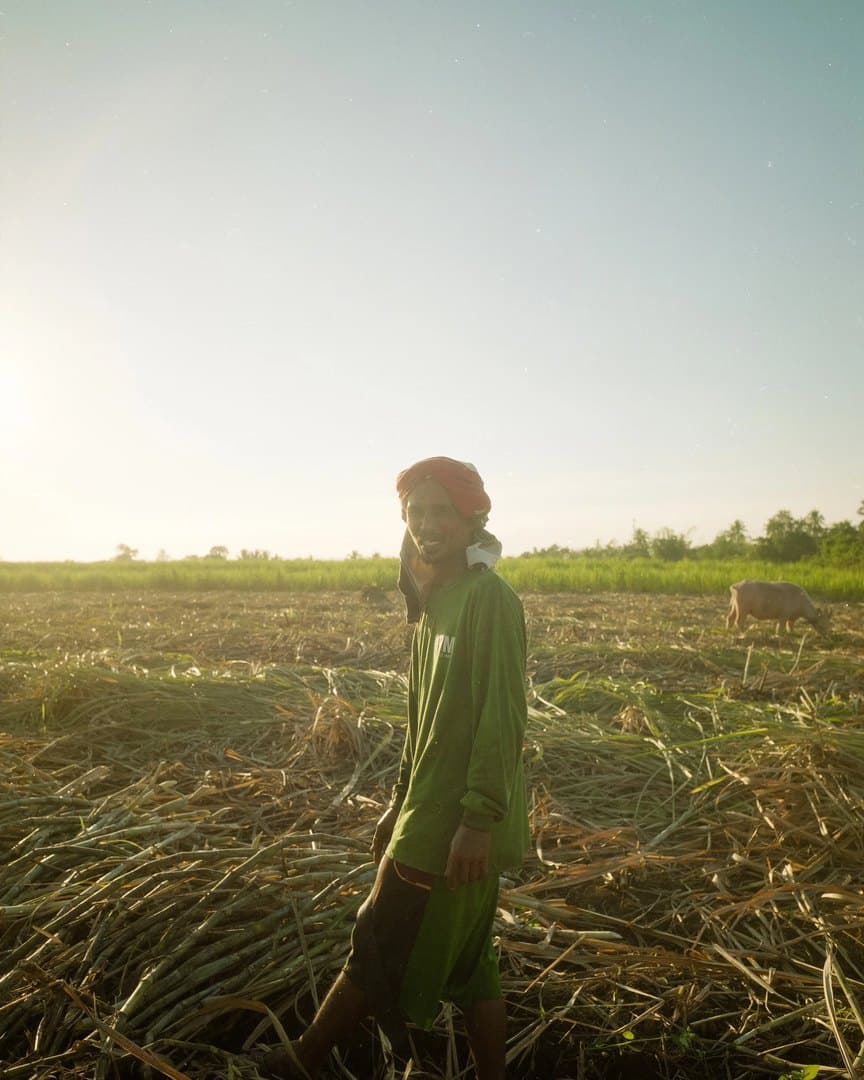
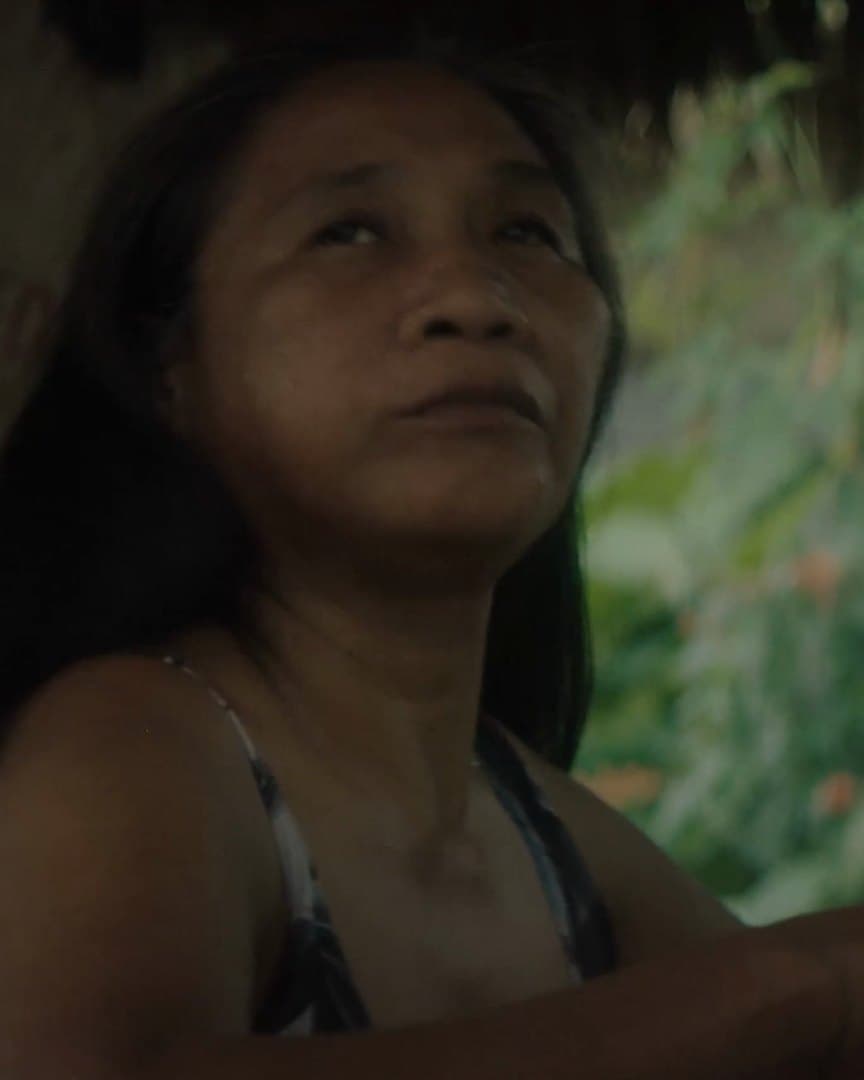
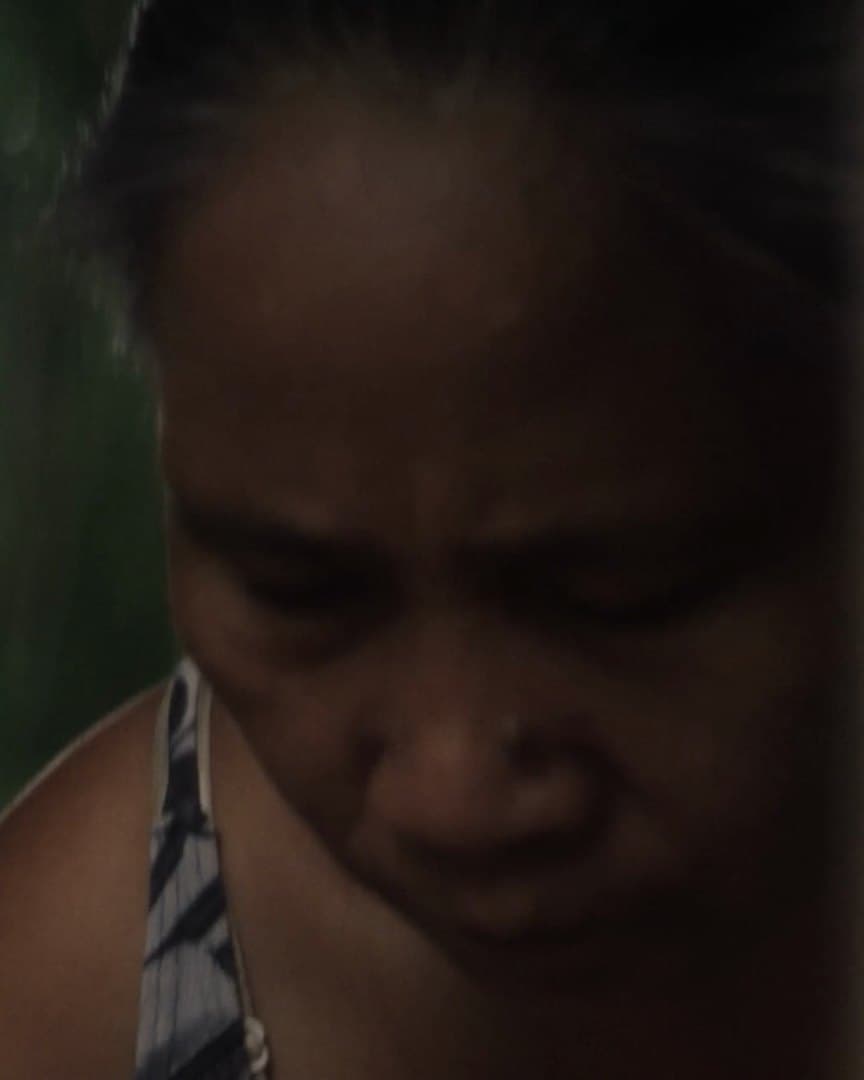
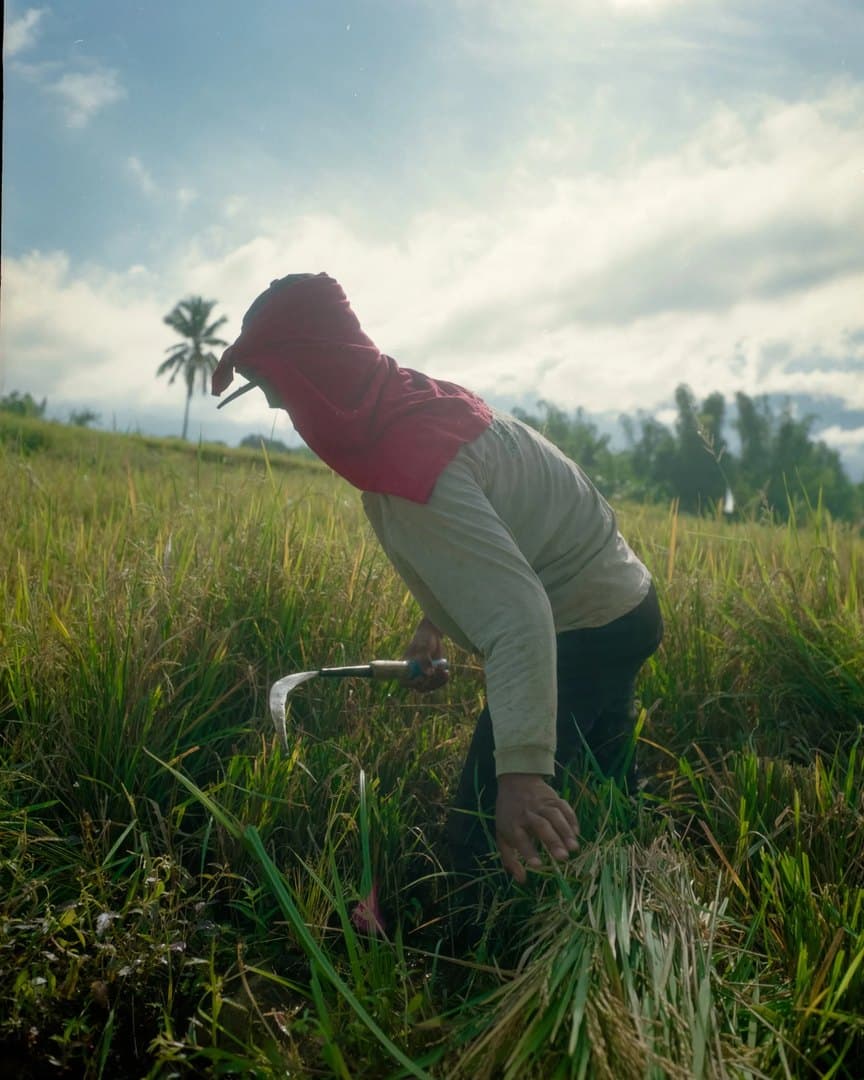
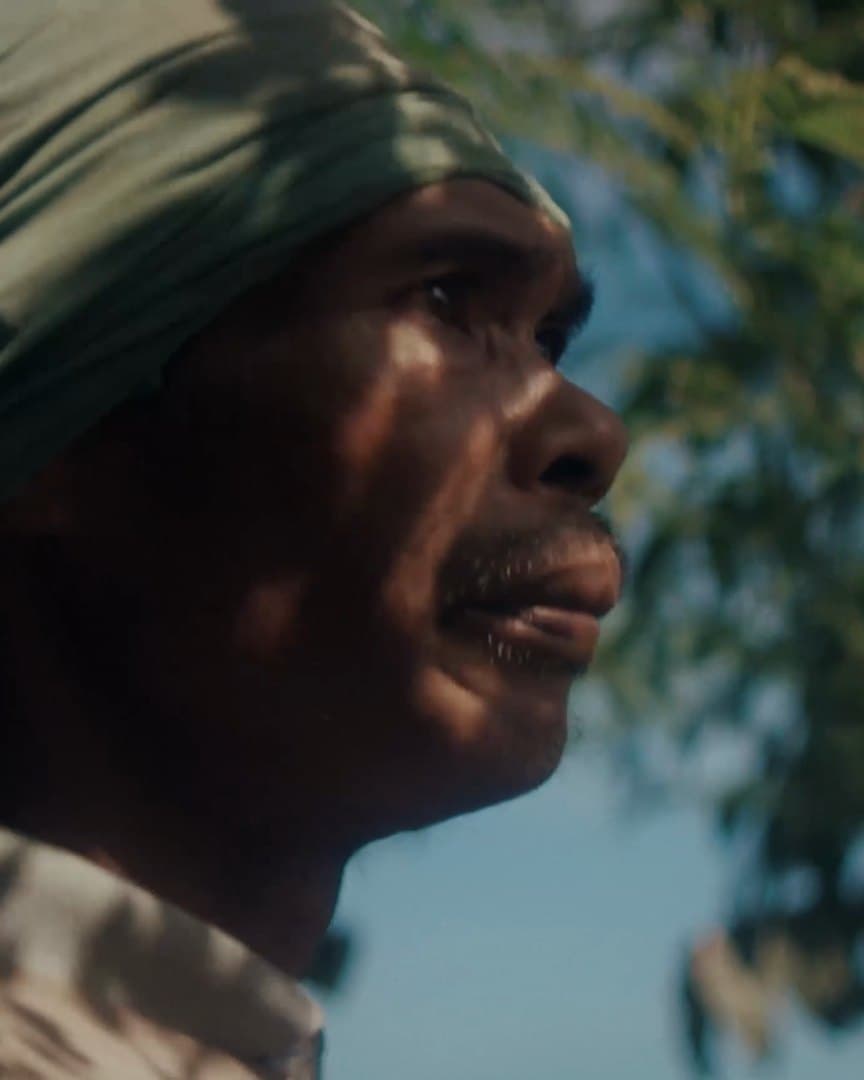
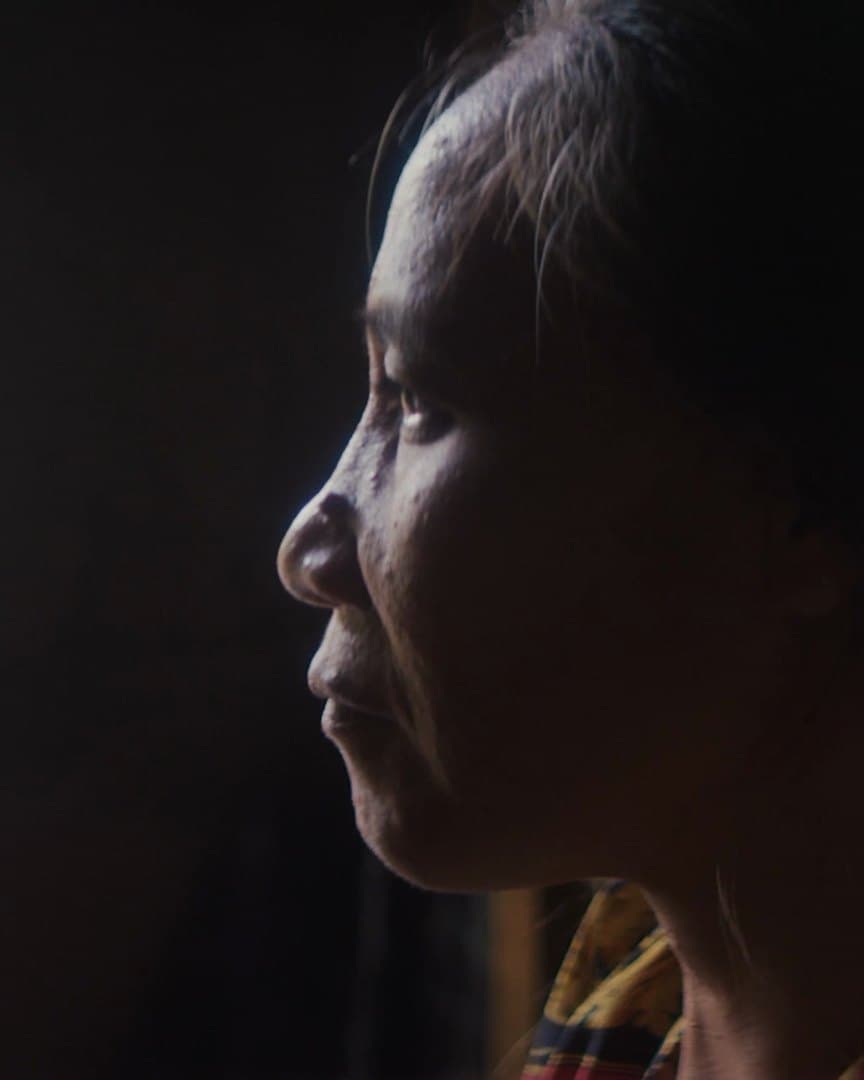
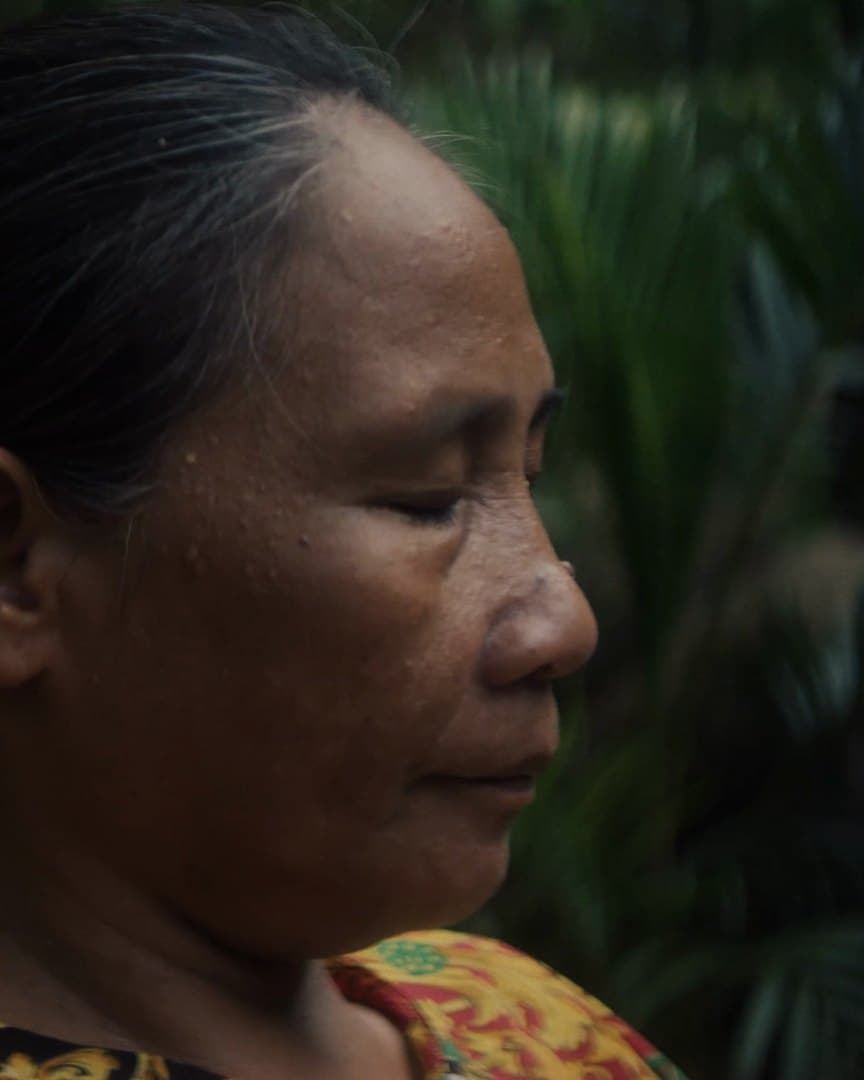
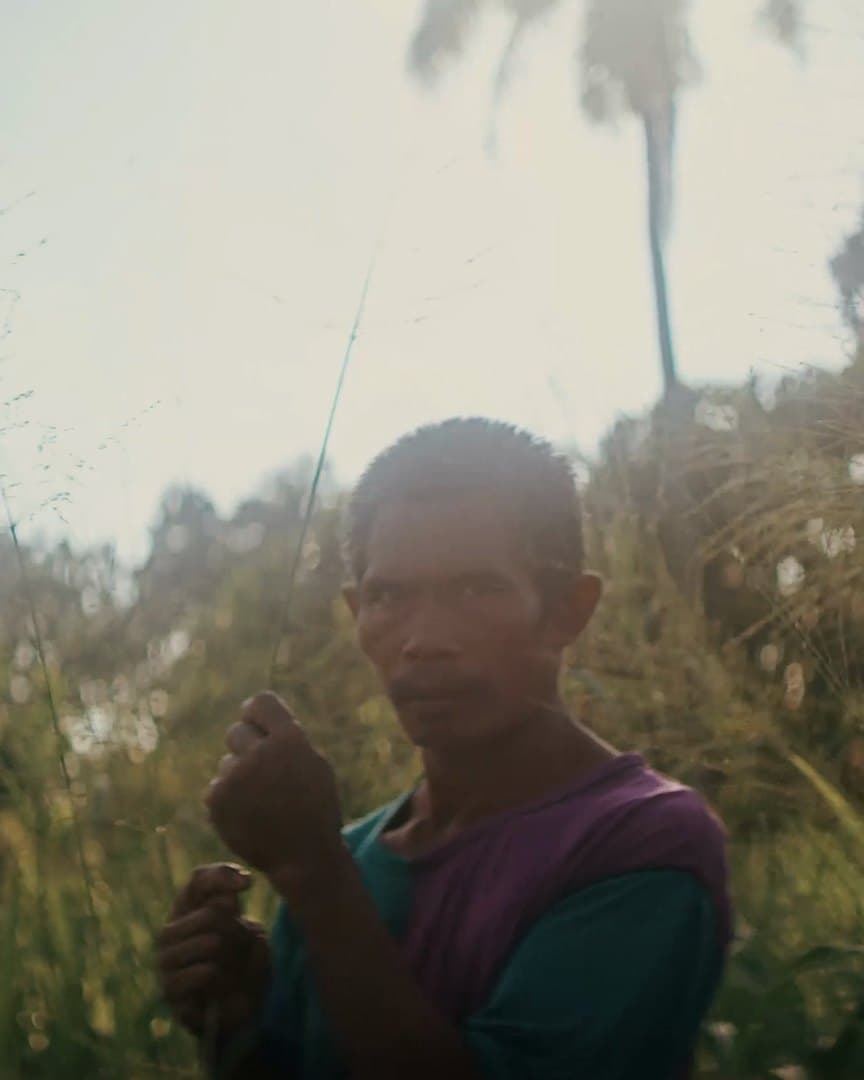
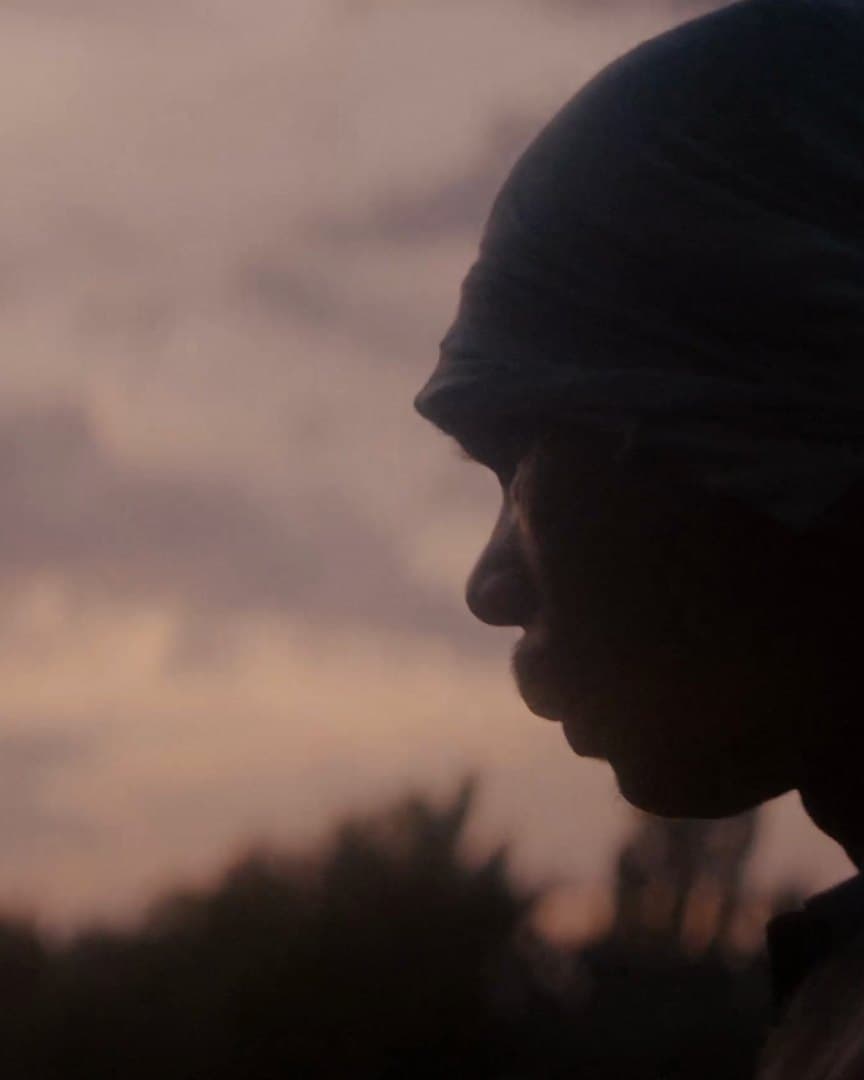
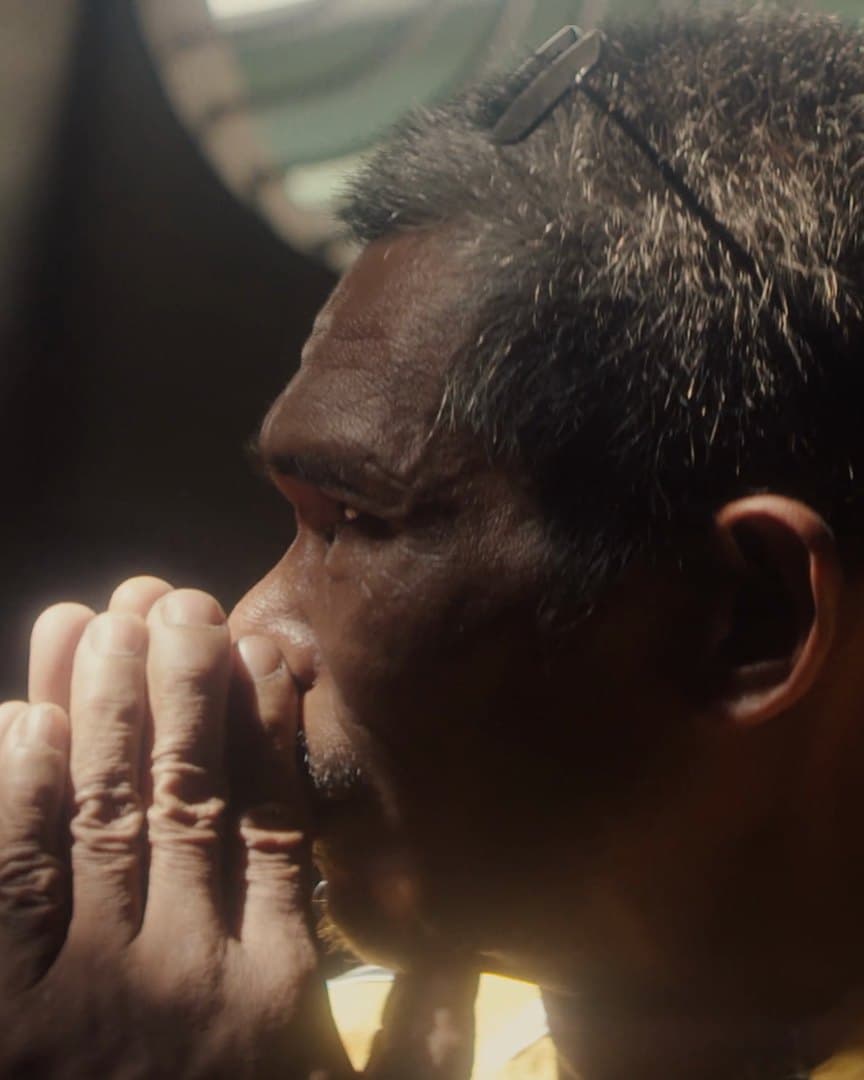
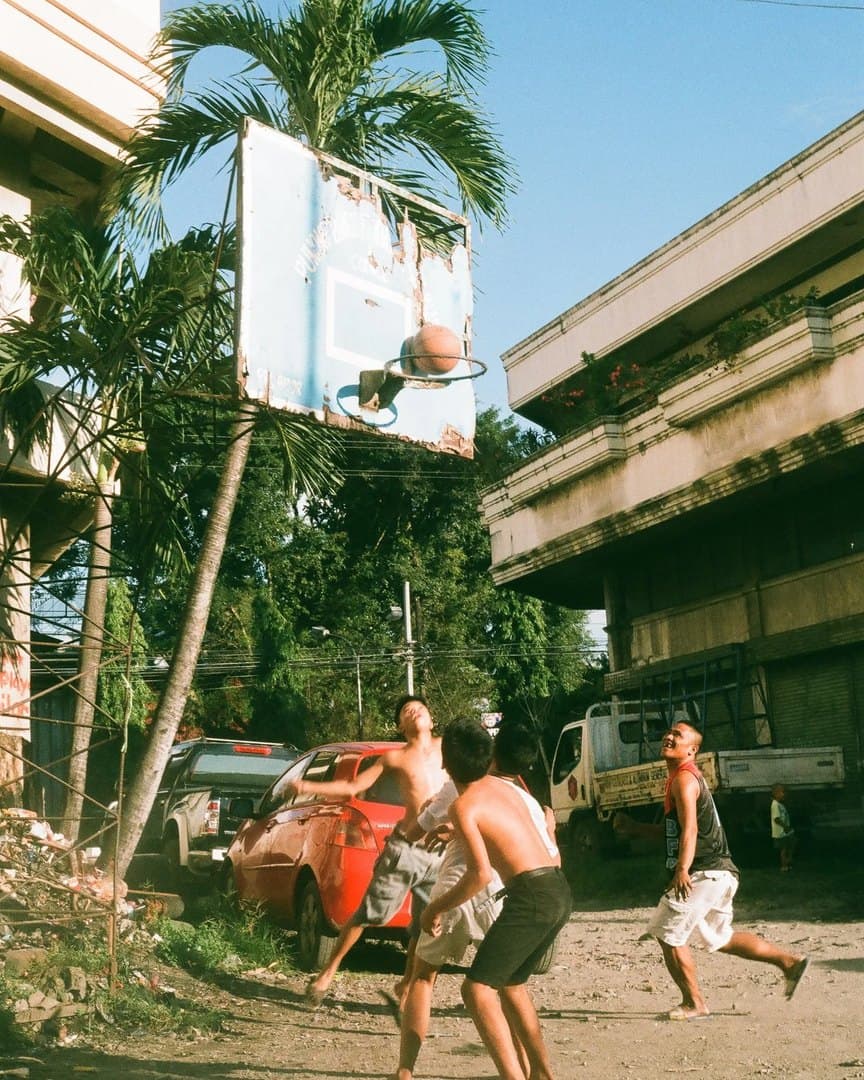
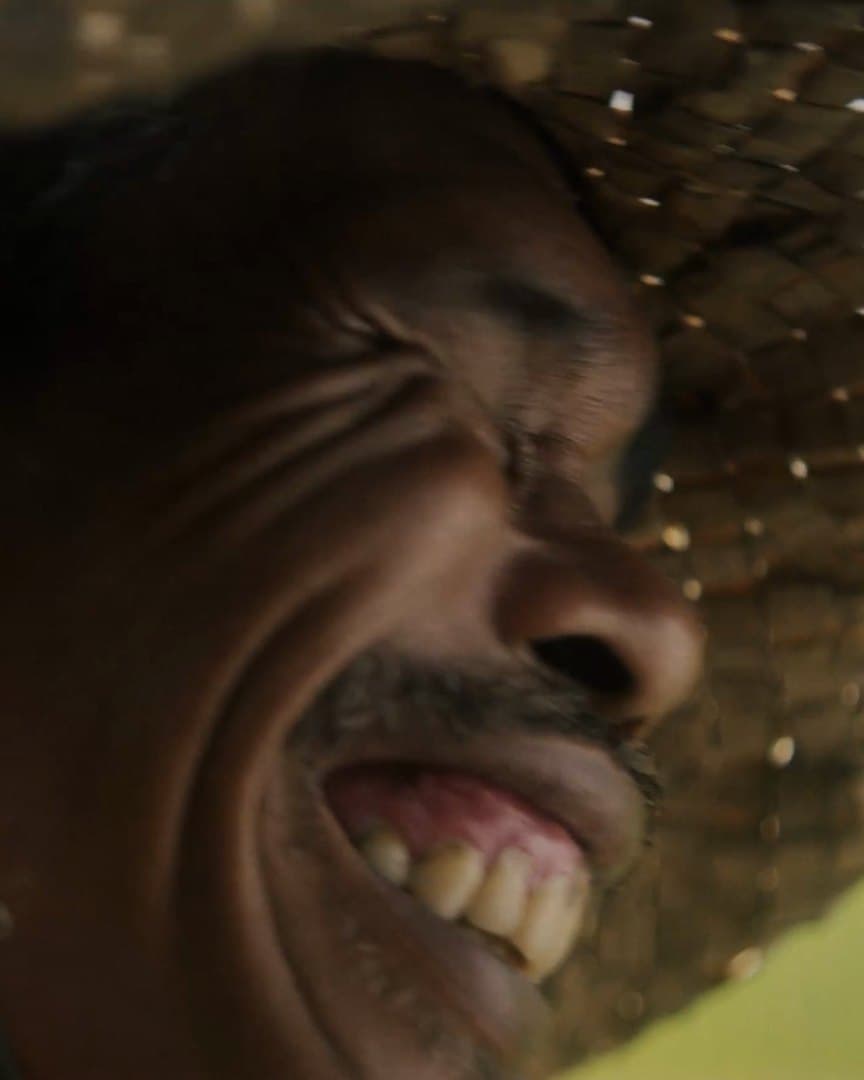
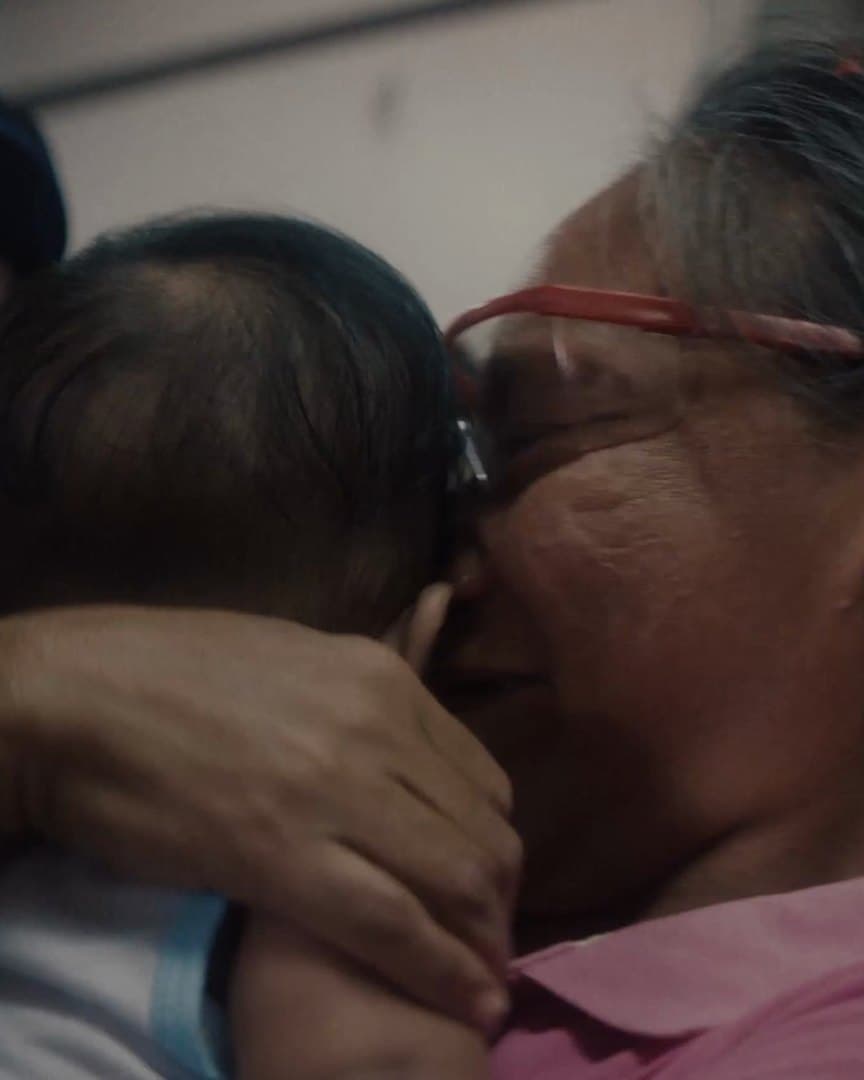
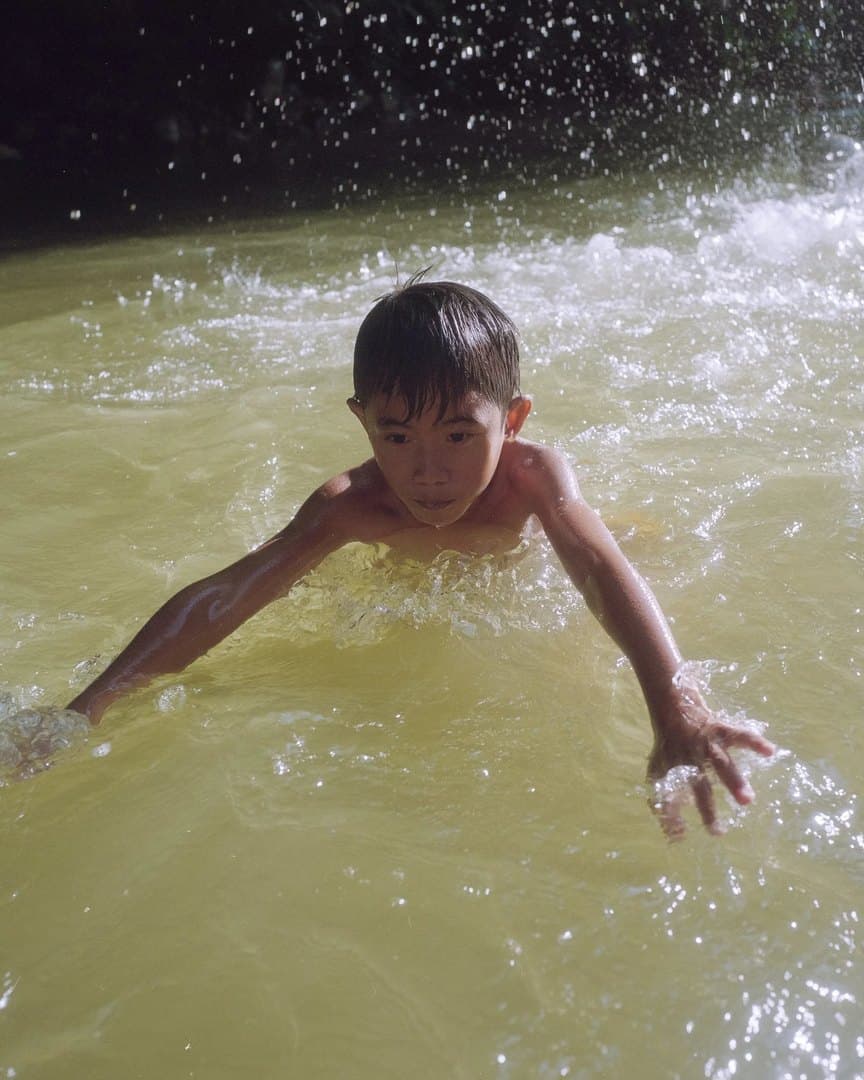
Joanaly and Virgilio live in Mailum, in the rice country of Negros Occidental. After two years without sight, she could no longer work the fields or see her grandchildren. Virgilio did both, and cared for her.
The result
- Park RecordPark City High alumnus Cole Sax creates ‘Second Sight’ and will screen his film in Salt Lake City
- The Utah ReviewUtah filmmaker’s Second Sight short documentary serves emotionally compelling narrative as archetype of international eye healthcare mission
- Film ShortageSecond Sight, Daily Short Pick
- Booooooom TV“Second Sight” by Cole Sax
- Musicbed5 Steps for Producing a Nonprofit Film
- Shuffle OnlineAustin Film Festival 2019: “Second Sight” Short Film Review
- SEE InternationalMountainfilm Festival Presents Second Sight